Top Driving Test Tips for Success in 2026

As the year 2026 approaches, aspiring drivers are gearing up to take their driving tests with confidence and skill. The driving test is a crucial milestone for many, signifying the independence and responsibility that comes with being a licensed driver. To ensure success, it's essential to arm yourself with the right information and strategies. This article provides comprehensive tips to help you navigate the driving test process, improve your driving abilities, and avoid common pitfalls. With these insights, you can approach your test day with assurance, knowing you're well-prepared to earn your driver's license.
Understanding the Driving Test Format
The driving test format can vary significantly depending on your location, but there are common elements you should be aware of. Typically, a driving test consists of two main parts: the theory test and the practical driving test. The theory test evaluates your understanding of road signs, traffic laws, and safe driving practices through a series of multiple-choice questions. In 2026, expect to encounter more scenario-based questions that assess your decision-making skills in real-life driving situations. To prepare, study the latest driving handbooks and take practice tests available online. Familiarize yourself with the format, and consider using apps designed to simulate the theory test environment. The practical driving test, on the other hand, is where you demonstrate your ability to operate a vehicle safely and confidently. This test typically includes maneuvers such as parallel parking, emergency stops, and navigating through different traffic conditions. Practice these skills in a variety of settings to build your competence and comfort behind the wheel.
In addition to the standard components, some regions may introduce additional elements to the driving test in 2026. For instance, with the rise of electric vehicles, you may be required to demonstrate your understanding of EV-specific features and charging procedures. Stay informed about any changes in your area's testing requirements by regularly checking with your local DMV. Taking a preparatory driving course can also be beneficial, as it offers professional guidance and simulated test conditions, helping you hone your skills under expert supervision.
Common Mistakes to Avoid
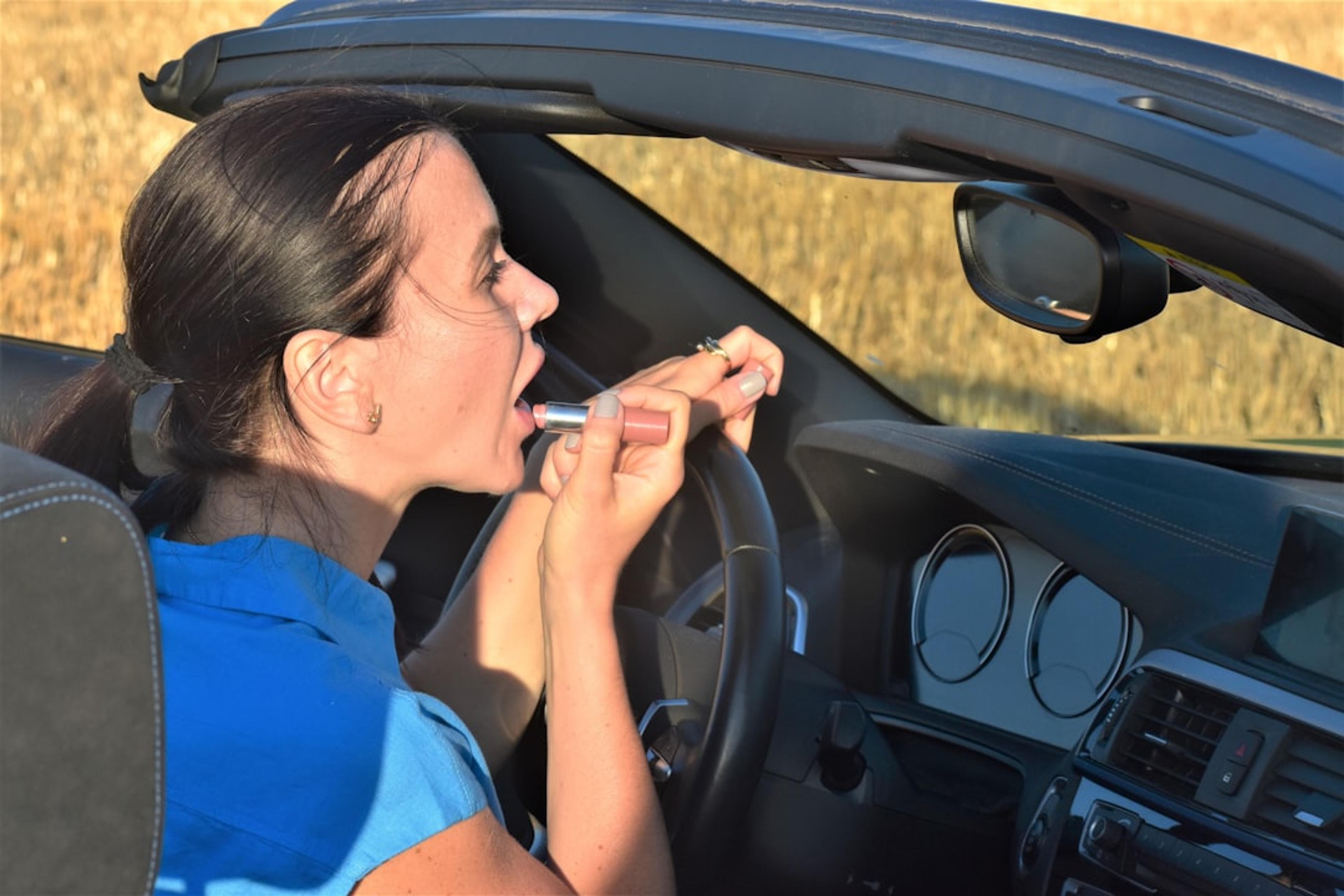
During your driving test, even minor errors can accumulate, potentially leading to a failed attempt. To increase your chances of passing, be aware of the common mistakes that candidates make. One prevalent issue is inadequate observation and mirror checking. Ensure you're constantly aware of your surroundings by frequently checking your mirrors and blind spots. Another common mistake is poor lane discipline, such as drifting between lanes or failing to signal appropriately. Practice maintaining a steady position within your lane and using your indicators effectively. Speed management is also crucial; avoid driving too fast or too slow, and always adhere to the speed limits. Additionally, practice smooth acceleration and braking to demonstrate your control over the vehicle.
Building Confidence for Test Day
Confidence plays a pivotal role in how you perform on test day. Nervousness can lead to mistakes, so it's important to adopt strategies that help you stay calm and focused. Begin by establishing a solid foundation of driving practice. The more time you spend driving under various conditions, the more comfortable you'll become. Aim to practice in different weather conditions, at night, and in both urban and rural settings. Consider keeping a driving journal to note your progress and areas for improvement. Visualization techniques can also be effective; imagine yourself successfully completing the driving test, focusing on the steps and actions required. This mental rehearsal can boost your confidence and reduce anxiety.
On the day of the test, ensure you get a good night's sleep and eat a balanced meal to keep your energy levels up. Arrive at the test center early to give yourself time to relax and acclimate to the environment. If anxiety starts to creep in, practice deep breathing exercises to help calm your nerves. Remember, the examiner is not looking for perfection but rather for safe and competent driving. If you make a mistake, don't dwell on it; instead, focus on the remainder of the test and demonstrate your ability to recover and continue safely.

Enhancing Your Driving Skills
Continuous improvement of your driving skills is essential, not only for passing the test but for ensuring long-term safety on the road. Consider enrolling in advanced driving courses that focus on defensive driving techniques and hazard perception. These courses can provide valuable insights into anticipating potential dangers and reacting appropriately, skills that are crucial for safe driving. Additionally, stay informed about new driving technologies and laws that may impact your driving experience. For example, many modern vehicles come equipped with advanced driver-assistance systems (ADAS), such as adaptive cruise control and lane-keeping assistance. Understanding how to use these features responsibly can enhance your driving capabilities.
Regular self-assessment is another effective way to enhance your skills. Periodically review your driving habits and identify areas where you can improve. Seek feedback from experienced drivers or instructors who can offer constructive criticism and guidance. Joining a driving club or community can also be beneficial, as it provides opportunities to learn from others and share experiences. Remember that driving is a skill that evolves with experience, so remain open to learning and adapting to new challenges on the road.
Utilizing Technology for Better Driving
Technology can be a valuable ally in your journey to becoming a proficient driver. Consider using driving apps that offer real-time feedback on your driving habits, helping you identify areas for improvement. Many apps provide insights into your acceleration, braking, and cornering, allowing you to make adjustments and develop smoother driving techniques. GPS navigation systems can also aid in route planning and traffic management, reducing stress and improving efficiency during your drives. However, it's important to use technology responsibly and not let it distract you from the primary task of driving safely.
Preparing for Post-Test Driving
Passing your driving test is just the beginning of your journey as a licensed driver. To ensure a smooth transition from learner to independent driver, it's important to continue building your skills and confidence. Start by setting realistic goals for your driving development, such as mastering highway driving or learning to navigate unfamiliar routes. Consider setting aside regular practice sessions to refine your skills and challenge yourself with new driving scenarios. Additionally, familiarize yourself with the responsibilities that come with owning a vehicle, such as maintenance, insurance, and understanding the legal requirements in your area.
Building a network of supportive and experienced drivers can also be beneficial. Seek out mentors or join driving groups where you can share experiences and gain insights from others. Remember to always prioritize safety over convenience; never rush your driving journey, and take the time to build a solid foundation of skills and knowledge. As you gain more experience, you'll find that driving becomes more intuitive and enjoyable. Stay informed about changes in driving laws and technologies to ensure you remain a competent and responsible driver in the years to come.
Conclusion: Your Road to Success
Successfully passing your driving test in 2026 requires preparation, practice, and the right mindset. By understanding the test format, avoiding common mistakes, and continuously improving your skills, you'll be well-equipped to earn your driver's license. Remember, confidence and composure are key on test day, and the knowledge and experience you've gained will serve you well. Embrace the journey, stay informed, and enjoy the newfound freedom that comes with being a licensed driver. Good luck on your road to success!

