Navigating Hazard Awareness for Pennsylvania Drivers

Driving in Pennsylvania requires vigilance and awareness of potential hazards. With diverse terrains and weather patterns, understanding hazard awareness is crucial for ensuring safety on the road. This article delves into the key aspects of hazard awareness, providing Pennsylvania drivers with essential information and practical tips to navigate the roads safely in 2026. Whether you're a new driver or seasoned motorist, mastering these skills can help prevent accidents and enhance your driving experience.
Understanding Hazard Awareness
Hazard awareness is the ability to recognize and respond to potential dangers on the road. In Pennsylvania, this involves being alert to changes in road conditions, weather, and the behavior of other drivers. Key elements of hazard awareness include scanning the road ahead, maintaining a safe following distance, and anticipating the actions of others. By staying focused and minimizing distractions, drivers can better identify and react to hazards, reducing the likelihood of accidents. It's important to regularly refresh your knowledge of local traffic laws and remain aware of updates or changes that may impact your driving.
In 2026, Pennsylvania drivers must also be mindful of technological advancements in vehicles, such as driver-assist systems, which can aid in hazard detection. However, reliance on technology should not replace the fundamental skills of attentive driving. Being proactive and prepared for unexpected situations, such as sudden weather changes or road obstructions, is key to effective hazard management.
Common Road Hazards in Pennsylvania
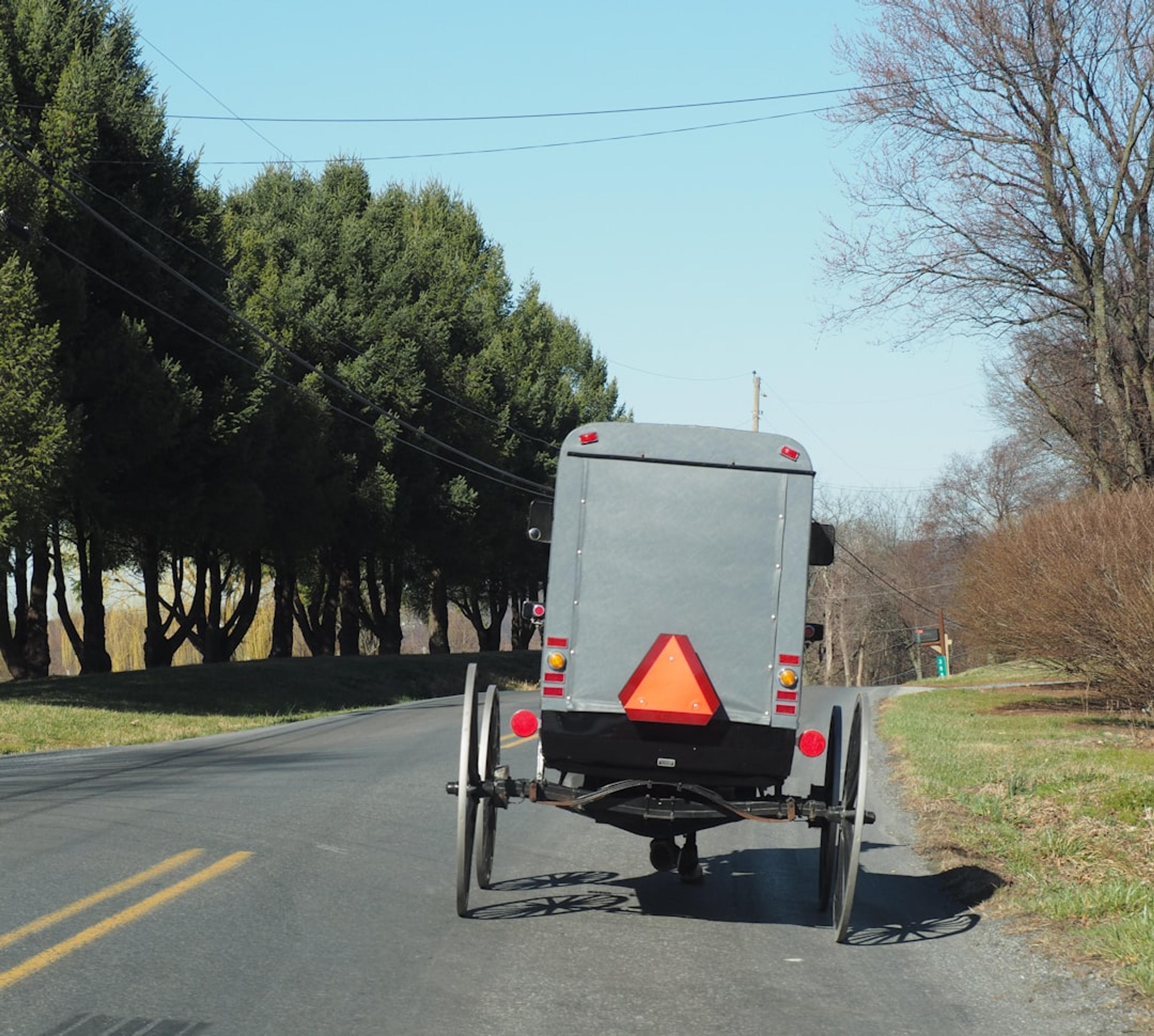
Pennsylvania's diverse landscape presents unique driving challenges. Rural roads, urban areas, and highways each require different hazard awareness skills. In rural areas, drivers should watch for wildlife, sharp turns, and narrow roads. Urban environments demand attention to pedestrian activity, cyclists, and frequent stops. Highways, on the other hand, require awareness of high-speed traffic, merging lanes, and construction zones. Each setting demands specific strategies to maintain safety. For instance, in rural areas, reducing speed and using high-beam headlights at night can improve visibility and reaction time.
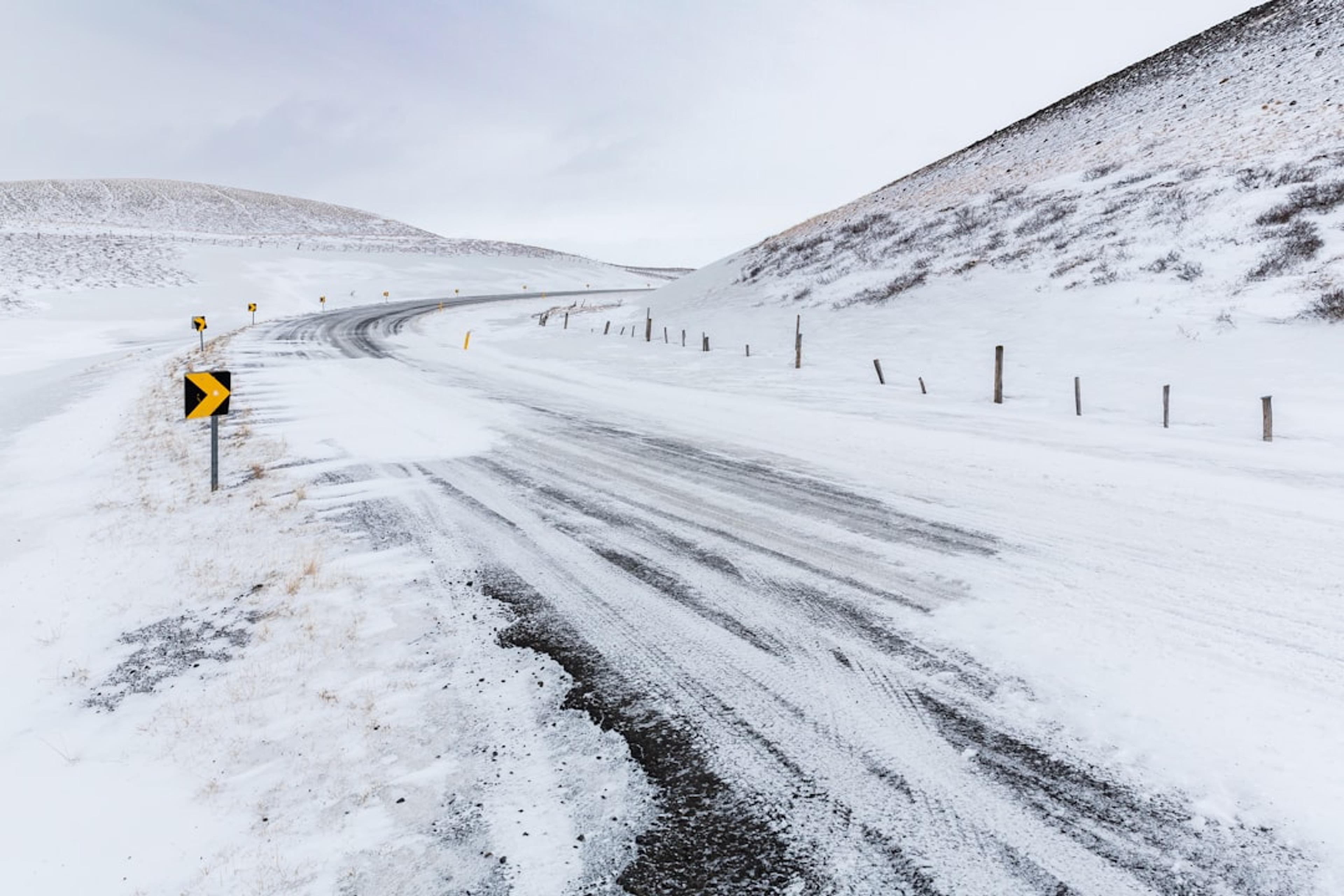
Weather is another major factor affecting hazard awareness in Pennsylvania. Winter brings snow and ice, making roads slippery and reducing visibility. Preparing your vehicle with appropriate tires and maintaining a safe distance from other vehicles can help mitigate these risks. During heavy rain or fog, it's crucial to use headlights and slow down to maintain control. Always check weather forecasts before embarking on a journey, and adjust travel plans accordingly to avoid dangerous conditions.

Dealing with Unpredictable Drivers
Unpredictable drivers pose a significant hazard on Pennsylvania roads. Defensive driving techniques are essential in managing this risk. Always maintain a buffer zone around your vehicle, allowing space to maneuver if another driver behaves erratically. Avoid aggressive driving behaviors, such as tailgating or weaving through traffic, as these can escalate situations. Instead, remain calm and patient, using your vehicle's signals to communicate intentions clearly. Being courteous and aware of others' actions can significantly enhance road safety.
Practical Tips for Enhancing Hazard Awareness
Developing strong hazard awareness skills involves continuous learning and practice. Regularly reviewing the Pennsylvania Driver's Manual can reinforce your understanding of state-specific rules and regulations. Participating in defensive driving courses can also improve your ability to handle unexpected situations. These courses often provide practical exercises and simulations that enhance decision-making skills under pressure. Additionally, practicing mindfulness while driving can help maintain focus and reduce stress, further improving your hazard awareness.
Technology can be a valuable tool in enhancing hazard awareness. Many vehicles are equipped with features like lane departure warnings, blind-spot monitoring, and automatic emergency braking. Familiarize yourself with these technologies and understand their limitations to use them effectively. However, never rely solely on these systems; they are aids, not replacements, for attentive driving. Regular vehicle maintenance, such as checking tire pressure and brake functionality, ensures that your car is in optimal condition to handle hazards.
Conclusion: Staying Safe on Pennsylvania Roads
Staying safe on Pennsylvania roads in 2026 requires a proactive approach to hazard awareness. By understanding common road hazards, practicing defensive driving, and utilizing available technology, you can significantly reduce your risk of accidents. Remember, driving is a skill that requires continuous improvement and adaptation to changing conditions. Stay informed about local traffic laws, engage in regular practice, and remain vigilant behind the wheel to ensure a safe driving experience for yourself and others.

