Understanding Road Signs: Essential Knowledge for Drivers

Road signs are an integral part of our driving experience, playing a crucial role in maintaining order and safety on the roads. They provide essential information, warnings, and regulations that help drivers navigate safely and efficiently. Understanding these signs is not only vital for passing your driving test but also for ensuring your safety and the safety of others on the road. This comprehensive guide will explore the different types of road signs, their meanings, and how you can effectively interpret them to become a more informed and responsible driver.
Types of Road Signs and Their Meanings
Road signs are generally categorized into three main types: regulatory, warning, and informational. Regulatory signs are those that convey rules and regulations which must be followed, such as speed limits, stop signs, and yield signs. These are typically characterized by their distinctive shapes and colors; for instance, stop signs are red and octagonal, while yield signs are triangular and red-outlined. Understanding the significance of these shapes and colors can help you quickly identify the type of regulation being communicated.
Warning signs, on the other hand, are designed to alert drivers to potential hazards or changes in road conditions ahead. These signs are usually yellow with black symbols or text, and they often take the shape of a diamond. Common examples include signs indicating upcoming curves, pedestrian crossings, or changes in road surface. Being aware of these signs allows drivers to adjust their driving behavior accordingly, reducing the risk of accidents.

Informational Signs
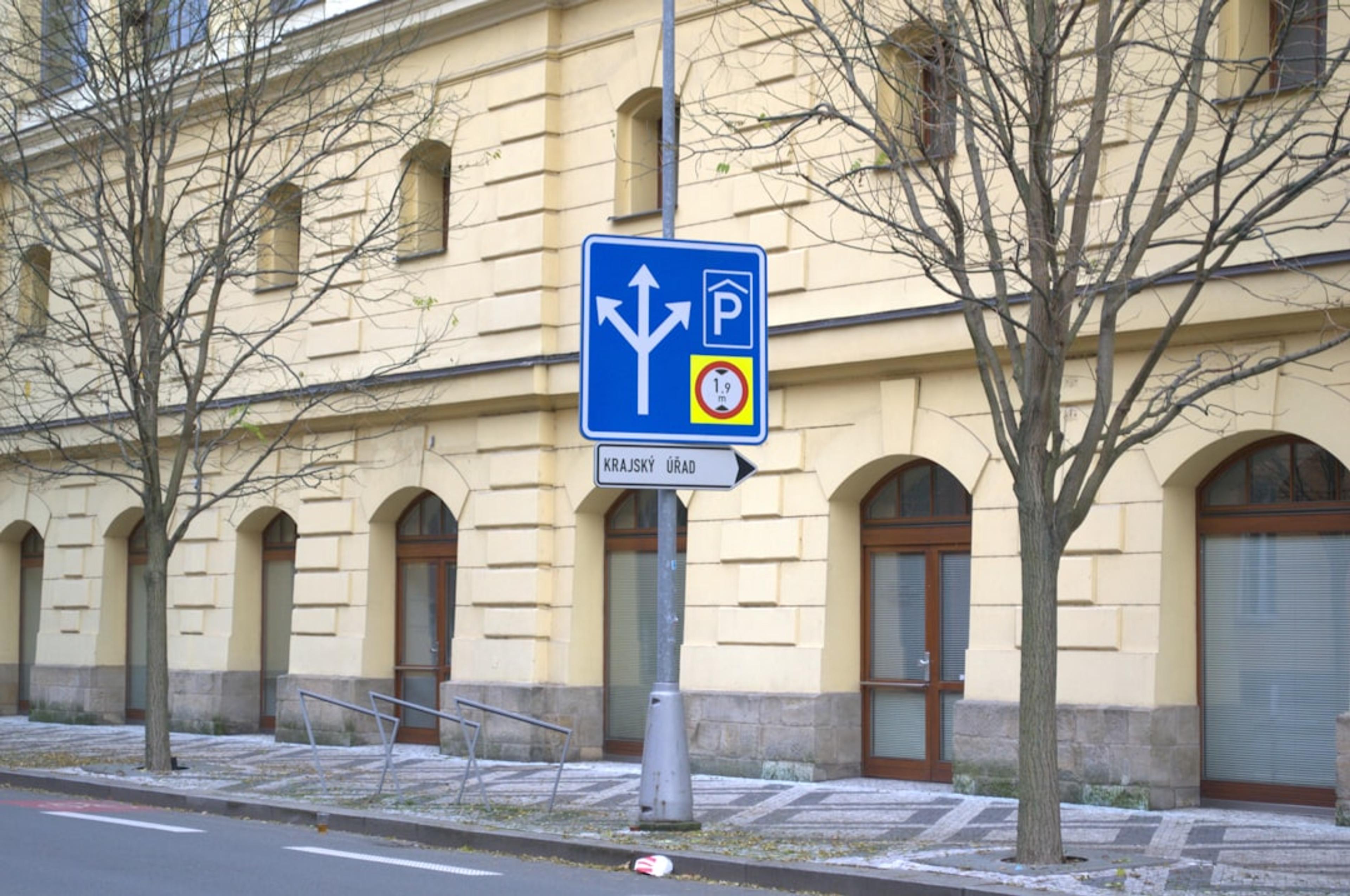
Informational signs provide useful data about directions, distances, and locations. These are often green or blue and include signs for rest areas, hospitals, and gas stations. Recognizing these signs can be particularly helpful when traveling in unfamiliar areas, as they guide you to necessary services and points of interest. Understanding how to interpret these signs can greatly enhance your navigation skills and ensure a smoother driving experience.
How to Study and Remember Road Signs
Studying road signs is a fundamental part of preparing for your driving test. To effectively memorize these signs, consider using flashcards or mobile apps designed for driver education. These tools can help you practice recognizing signs and understanding their meanings in a variety of contexts. Repetition is key; regularly reviewing these signs will reinforce your memory and improve your ability to recall their meanings quickly.
In addition to studying, practical experience on the road will significantly enhance your understanding of road signs. Pay close attention to the signs you encounter during your daily commute or practice drives. Try to anticipate what signs might appear next based on the road environment, such as expecting a speed limit sign when entering a different type of road. This active engagement with real-world scenarios will help solidify your knowledge and improve your confidence in interpreting signs.
Common Mistakes in Interpreting Road Signs
One common mistake drivers make is misinterpreting the color or shape of a sign. For example, mistaking a yellow warning sign for a regulatory one can lead to inappropriate responses to road conditions. Another frequent error is failing to notice additional signage, such as plaques that accompany main signs providing more specific information, like time restrictions on parking signs. Always be attentive to all parts of a sign to ensure you fully understand the regulation or information being communicated.
The Role of Road Signs in Road Safety
Road signs are essential tools for maintaining road safety. By providing clear and consistent instructions, they help reduce confusion and conflicts among road users. Signs that indicate speed limits, for example, are crucial in controlling traffic flow and minimizing the risk of accidents. Similarly, signs warning of sharp curves or steep grades allow drivers to prepare and adjust their speed accordingly, preventing potential mishaps.
Moreover, road signs serve as a universal language that transcends linguistic barriers, enabling drivers from different regions or countries to understand the rules and expectations on the road. This consistency is particularly important in areas with a high volume of tourists or international drivers. By following road signs diligently, drivers contribute to a safer and more predictable driving environment, which benefits everyone on the road.

Tips for Drivers to Improve Road Sign Recognition
Improving your ability to recognize and respond to road signs can greatly enhance your driving safety and efficiency. Here are some practical tips: First, familiarize yourself with the most common road signs in your area and their meanings. This can be done through driver handbooks or online resources. Additionally, practice active observation during your drives; make it a habit to consciously notice and interpret every sign you pass. This will improve your attentiveness and ability to react appropriately.
Another effective strategy is to drive with a more experienced driver who can provide insights and point out signs you might miss. They can offer valuable feedback on your sign recognition skills and suggest areas for improvement. Lastly, consider enrolling in defensive driving courses, which often include comprehensive sections on road sign interpretation and situational awareness. These courses can enhance your overall driving competence and confidence.
State-Specific Road Sign Regulations
While many road signs are standardized, some states have specific signs and regulations that are unique to their roadways. For example, certain states may have different signs for no-passing zones or unique symbols for wildlife crossings. Familiarizing yourself with these state-specific signs is crucial if you plan to drive in different regions. Consult the local DMV or equivalent authority for resources and guides specific to the state you are in or plan to visit.
Conclusion: Mastering Road Signs for Safer Driving
Understanding and interpreting road signs is a critical skill for all drivers. By familiarizing yourself with the types of road signs and their meanings, you can enhance your safety and compliance on the road. Regular practice, active observation, and utilizing educational resources will improve your sign recognition abilities. As you become more adept at interpreting road signs, you'll contribute to a safer driving environment for yourself and others. Remember, road signs are there to guide you—pay attention to them, and drive responsibly.

