Mastering Vehicle Handling for the Motorcycle Permit Test

Preparing for your motorcycle permit test involves more than just memorizing traffic laws and signals; it requires a deep understanding of vehicle handling. Mastering this skill is crucial for safe and confident riding. This article delves into why vehicle handling is a significant component of the motorcycle permit test, exploring the essential techniques you need to succeed. Whether you're a beginner or looking to refine your skills, understanding vehicle handling will not only help you pass the test but also ensure a safer riding experience.
Understanding Vehicle Handling Basics
Vehicle handling is the art of controlling your motorcycle in various situations, encompassing balance, steering, braking, and throttle control. These skills are essential for maneuvering through traffic, making quick stops, and navigating turns. For the motorcycle permit test, a solid grasp of these fundamentals is critical. The test often includes exercises like figure eights, U-turns, and emergency stops, all of which assess your ability to handle the motorcycle deftly. A key aspect of vehicle handling is balance, which is maintained by understanding the center of gravity and how it shifts during different maneuvers. Practicing in a controlled environment can help build muscle memory and improve reaction times.
Steering is another crucial component of vehicle handling. The concept of counter-steering, where you push the handlebar left to go right and vice-versa, can initially be counterintuitive but is essential for effective turning. Practicing this technique at various speeds helps increase your control over the motorcycle. Additionally, mastering the use of the clutch and throttle in tandem is vital for smooth acceleration and deceleration. Knowing when and how to apply brakes effectively, particularly the front brake, which provides most of the stopping power, is essential for avoiding skids and maintaining control.
Common Vehicle Handling Mistakes
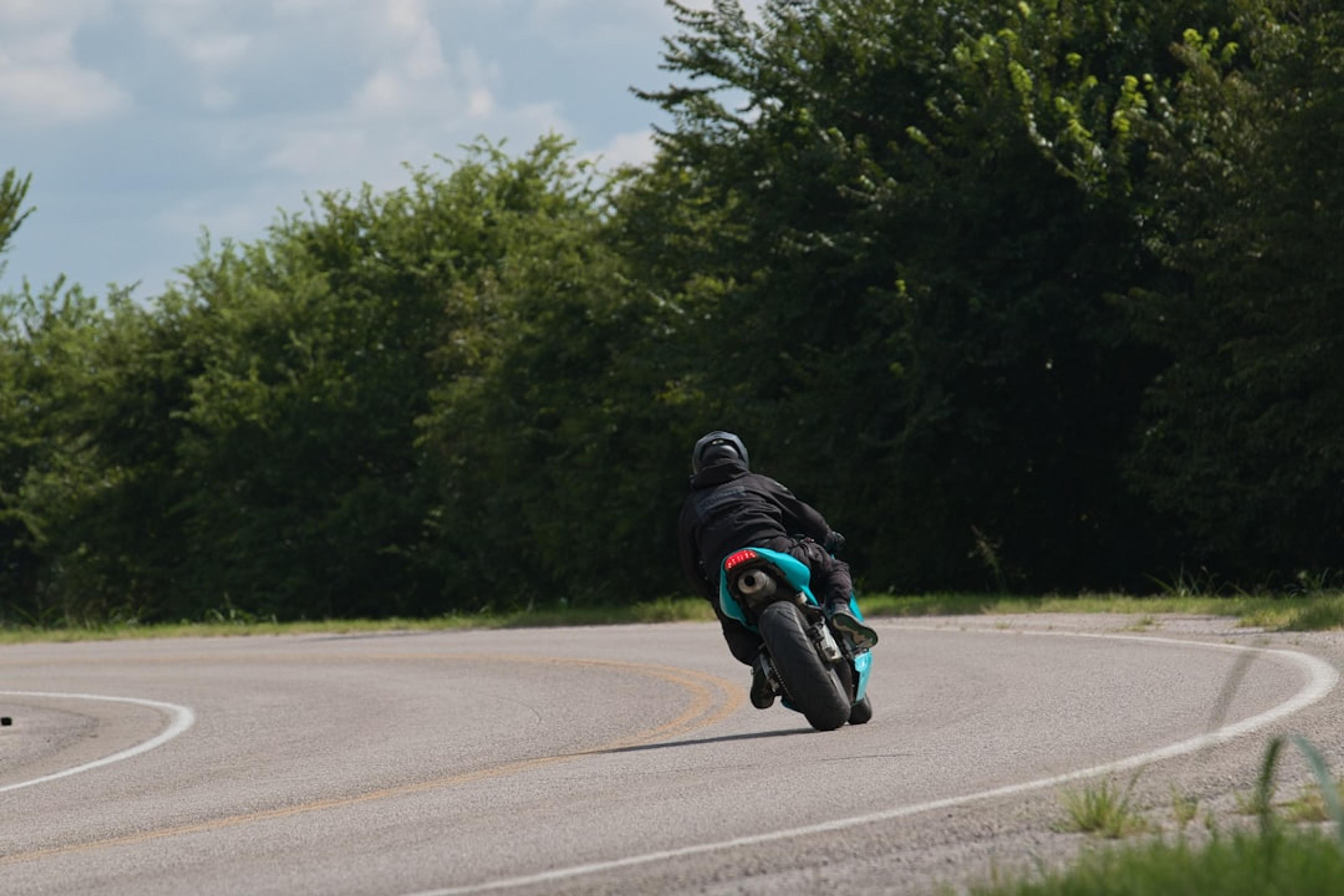
One common mistake is over-relying on the rear brake, which can lead to skids and reduced control. Another frequent error is improper body positioning, which affects balance and handling. Many beginners also fail to look far enough ahead, limiting their ability to anticipate and react to changes. Ensuring your arms are relaxed and maintaining a proper grip can significantly improve handling. Regular practice, ideally with a qualified instructor, can help correct these mistakes and lead to safer riding habits.
Preparing for the Motorcycle Permit Test
Preparation is key to excelling in the motorcycle permit test, particularly the vehicle handling sections. Start by reviewing the motorcycle handbook provided by your state's DMV, which outlines the skills you'll be tested on. Enrolling in a motorcycle safety course can be highly beneficial; these courses offer hands-on practice with professional guidance. Set aside regular practice time, focusing on exercises like tight turns, controlled stops, and swerving. Simulate test conditions as closely as possible to build confidence and familiarity with the test format.
In addition to physical practice, mental preparation is equally important. Visualization techniques, where you mentally rehearse the maneuvers, can enhance performance by building muscle memory. On test day, ensure your motorcycle is in optimal condition, checking tire pressures, brakes, and lights. Arrive early to the test site to acclimate to the environment and reduce stress. Remember, confidence comes from thorough preparation and practice. Approach the test with a calm mindset, focusing on one task at a time.

Advanced Vehicle Handling Techniques
Once you have mastered the basics, advancing your vehicle handling skills can further enhance your riding safety and enjoyment. Techniques such as trail braking, which involves maintaining brake pressure while entering a turn, can improve cornering stability. Learning to modulate the throttle smoothly during maneuvers can prevent sudden shifts in balance, maintaining control. Additionally, practicing advanced swerving techniques can prepare you for unexpected obstacles, improving your ability to react swiftly and safely.
Riding on various surfaces, such as gravel or wet roads, requires adaptation in handling techniques. Develop sensitivity to these conditions by practicing in safe, controlled environments. Understanding how different surfaces affect traction can help you adjust your riding style accordingly. Riding in different weather conditions, including rain or wind, can also challenge your handling skills. Familiarize yourself with how your motorcycle responds in these conditions to maintain control and safety.
Pro Tips for Effective Riding
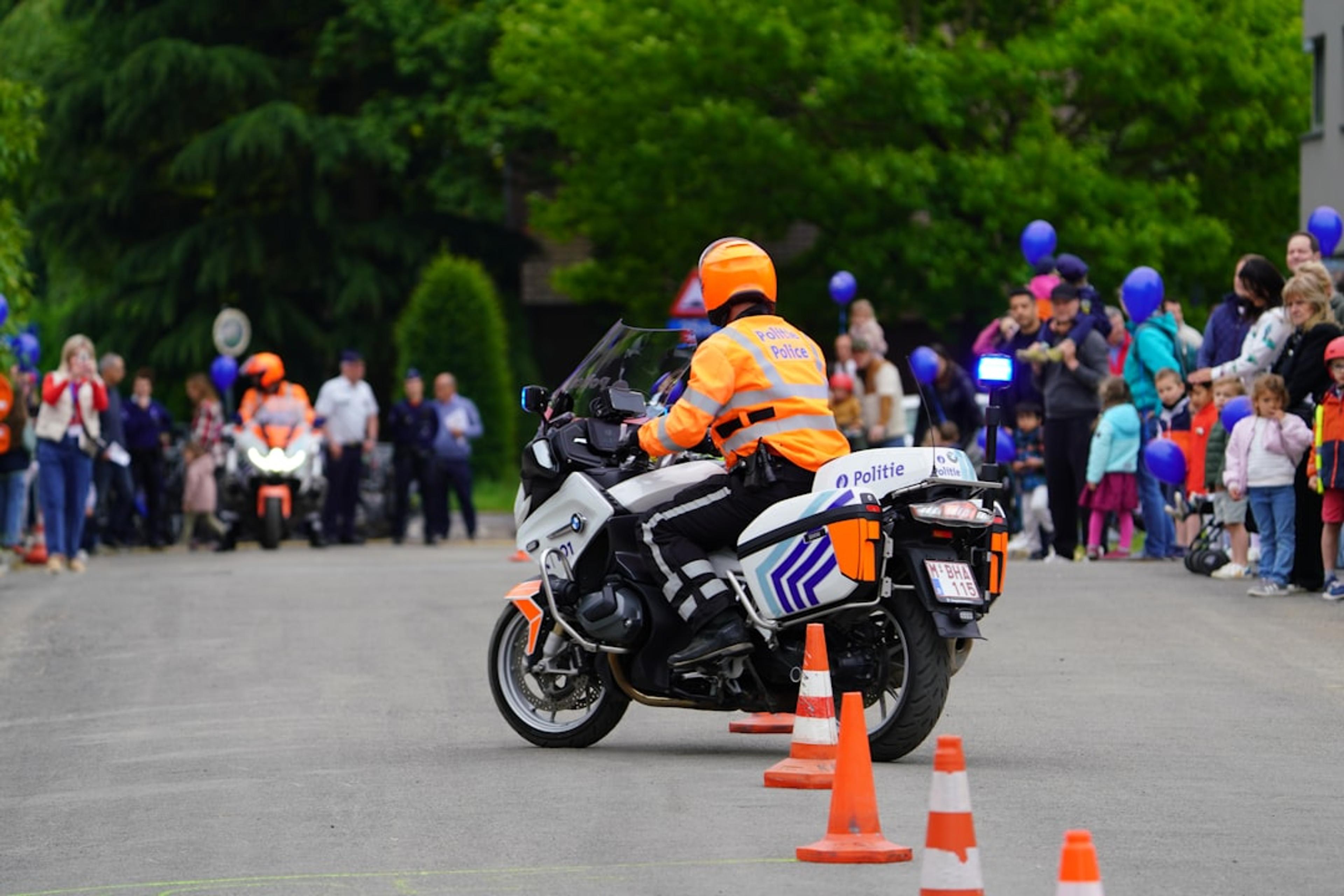
Always keep your eyes on the horizon, which helps maintain balance and anticipate road conditions. Practice regularly to build confidence and improve muscle memory. Ensure your motorcycle is well-maintained, as mechanical issues can affect handling. Invest in quality riding gear, as comfort and protection are vital for focus and safety. Join riding groups or forums to share experiences and learn from seasoned riders.
Conclusion: Mastery Through Practice
Mastering vehicle handling is a journey that enhances your motorcycle riding experience. By focusing on key skills and preparing thoroughly for your permit test, you not only increase your chances of passing but also set a foundation for safe, enjoyable riding. Remember, practice is the key to mastery. Continuously challenge yourself to improve, and always prioritize safety on the road. Embrace the learning process, and you'll find confidence and skill blossoming with each ride.

