Comprehensive Guide to the Motorcycle Permit Test

Preparing for the motorcycle permit test can be a daunting task for many aspiring riders. Understanding the process, requirements, and the skills needed is crucial for success. This comprehensive guide aims to provide you with all the necessary information to ace your motorcycle permit test on the first try. From the types of questions you can expect to tips on practical skills, we cover everything you need to become a confident and capable motorcycle rider.
Understanding the Motorcycle Permit Test
The motorcycle permit test is a critical step in obtaining your motorcycle license. It typically consists of two main parts: a written knowledge test and a practical skills test. The written portion assesses your understanding of road rules, motorcycle-specific laws, and safety practices. Common topics include traffic signals, right-of-way rules, and handling hazardous conditions. The practical test evaluates your ability to perform basic riding maneuvers, such as starting, stopping, turning, and swerving. Understanding the format and expectations of each part is essential to your preparation.
Many states offer a motorcycle handbook or manual that covers the specific content of the permit test. Reviewing this material is a vital first step. Additionally, consider enrolling in a motorcycle safety course, which not only prepares you for the test but also teaches valuable riding skills. These courses often include both classroom instruction and hands-on riding experience, providing a well-rounded understanding of motorcycle operation and safety.
Key Requirements for Taking the Test
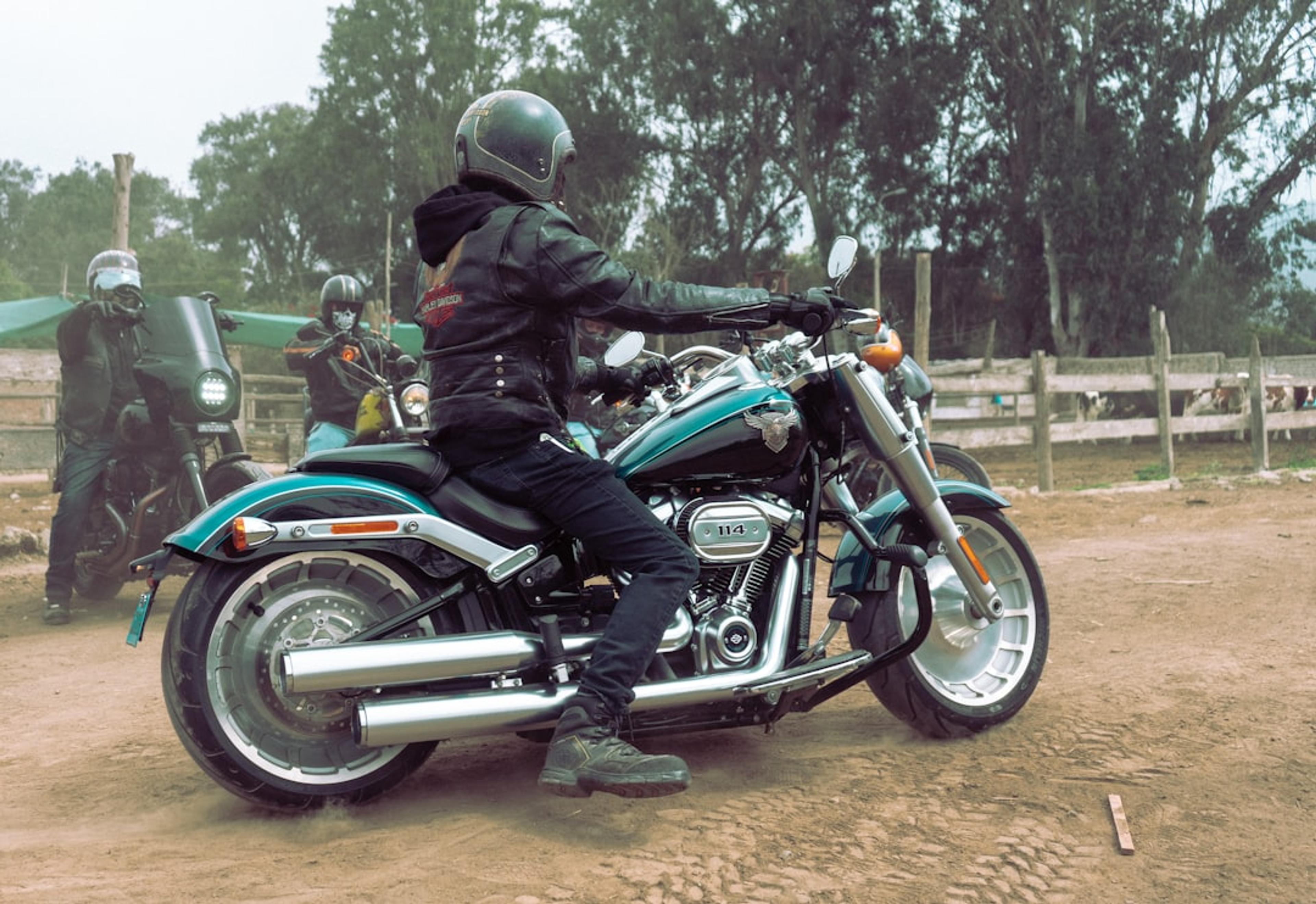
Before you can take the motorcycle permit test, you must meet certain requirements. These typically include age restrictions, holding a valid driver's license, and sometimes completing a motorcycle safety course. Age requirements vary by state, but generally, you must be at least 16 years old. Some states also require parental consent for applicants under 18. Ensure you bring proper identification and any necessary documentation when you go to take the test.
In addition to meeting age and documentation requirements, you may need to pay a fee to take the test. Fees vary by state and are usually required for both the written and practical components. Be sure to check with your local DMV for the most current information and any additional requirements specific to your area, such as vision screening or health declarations. Proper preparation and understanding of these requirements can save you time and frustration on the day of the test.
State-Specific Requirements
Each state has its own set of rules and requirements for the motorcycle permit test. For instance, California requires completion of a motorcycle training course for riders under 21, while Texas offers an optional safety course that provides a waiver for the skills test. It's important to research the specific requirements in your state to ensure compliance and to take advantage of any resources or exemptions available to you.
Preparing for the Written Knowledge Test
The written knowledge test is designed to assess your understanding of motorcycle operation and road safety. To prepare effectively, study your state's motorcycle handbook thoroughly, focusing on sections related to safe riding practices, traffic laws, and motorcycle maintenance. Many DMVs offer practice tests, which can be an invaluable resource for familiarizing yourself with the test format and question types.
In addition to practice tests, consider joining online forums or study groups where you can discuss test content and strategies with other learners. These communities often share insights and tips that can enhance your preparation. Remember, the key to success is consistent study and practice. Allocate time each day to review materials and test your knowledge, gradually building your confidence and competence for the test.
Mastering the Practical Skills Test
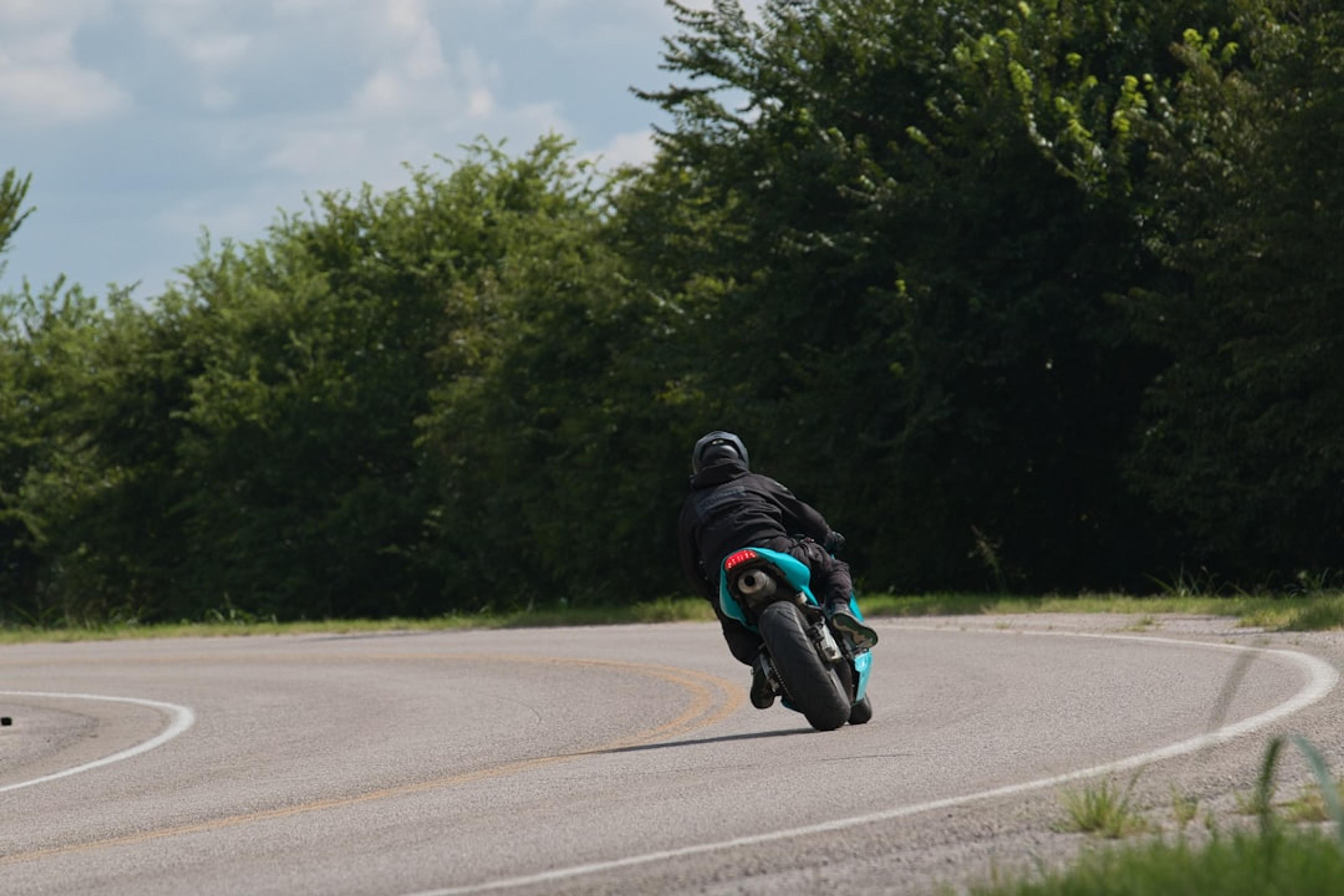
The practical skills test evaluates your ability to operate a motorcycle safely and effectively. This portion of the test typically includes exercises such as low-speed maneuvers, emergency stops, and obstacle avoidance. To master these skills, practice regularly in a safe environment, such as an empty parking lot or a motorcycle training course. Focus on building muscle memory for key maneuvers and improving your balance and control.
Instructors in motorcycle safety courses can provide invaluable feedback and guidance, helping you refine your technique and address any weaknesses. Pay attention to their advice and practice diligently. Additionally, ensure your motorcycle is in good working condition before the test, with properly functioning brakes, lights, and signals. A well-maintained bike can make a significant difference in your performance and overall confidence during the test.
Common Mistakes and How to Avoid Them
Many test-takers overlook small but critical details that can lead to mistakes during the practical test. One common error is improper lane positioning, which can impact your visibility and reaction time. Always position yourself in the lane so you can see and be seen by other road users. Another frequent mistake is failing to perform head checks before changing lanes or turning. This essential safety habit helps prevent collisions and is closely observed during the test. Practice these skills until they become second nature, ensuring a smoother and more successful test experience.
Tips for Test Day Success
On the day of your test, arrive early to allow time for check-in and any unexpected delays. Dress appropriately in protective gear, including a helmet, gloves, and sturdy footwear. This not only complies with safety standards but also demonstrates your commitment to safe riding. Bring all required documentation, such as your driver's license, proof of completed courses, and test fee receipt. Double-check these items the night before to avoid any last-minute stress.
Stay calm and focused during the test, and remember to breathe. Nerves can affect your performance, so take a moment to relax and visualize a successful outcome. Listen carefully to the examiner's instructions and ask for clarification if needed. After the test, reflect on your performance, noting areas for improvement. Whether you pass or need to retake the test, use the experience to become a more skilled and confident rider.
Conclusion
Passing the motorcycle permit test is an important milestone in your journey to becoming a skilled rider. With thorough preparation, practice, and a clear understanding of the test requirements, you can approach the test with confidence. Remember, the skills and knowledge you gain during this process are essential for your safety and enjoyment on the road. Good luck, and ride safely!

