How to Obtain a Driver's License in Massachusetts

Obtaining a driver's license in Massachusetts is an important milestone for many residents. Whether you're a teen getting your first license or an adult moving to the state, understanding the process is essential. This comprehensive guide will walk you through the steps, from eligibility requirements to the final road test, ensuring you're well-prepared to navigate the Massachusetts Registry of Motor Vehicles (RMV) system. We'll cover essential tips, common pitfalls, and specific details to help you succeed in your journey to becoming a licensed driver in the Bay State.
Eligibility Requirements for a Massachusetts Driver's License
Before you can apply for a driver's license in Massachusetts, it's crucial to understand the eligibility requirements. The state mandates that applicants be at least 16 years old to qualify for a learner's permit, which is the first step in obtaining a full driver's license. For those under 18, additional requirements include completing a state-approved driver education program and maintaining a clean driving record. Adults aged 18 and over typically do not need to take a driver education course, but must still pass the necessary tests to acquire their license. Proof of residency, identity, and a Social Security number are also required for all applicants. Understanding these prerequisites can help streamline the application process and avoid potential delays.
One of the most common mistakes applicants make is failing to gather the correct documentation. It's essential to have all necessary paperwork ready when visiting the RMV. This includes a proof of residence, such as a utility bill or lease agreement, and a form of identification like a passport or birth certificate. Ensure that all documents are up-to-date and reflect your current information. Additionally, those under 18 should bring proof of completion of a driver education course and a parent or guardian consent form. By preparing these documents in advance, you can save time and reduce stress during your RMV visit.
Applying for a Learner's Permit
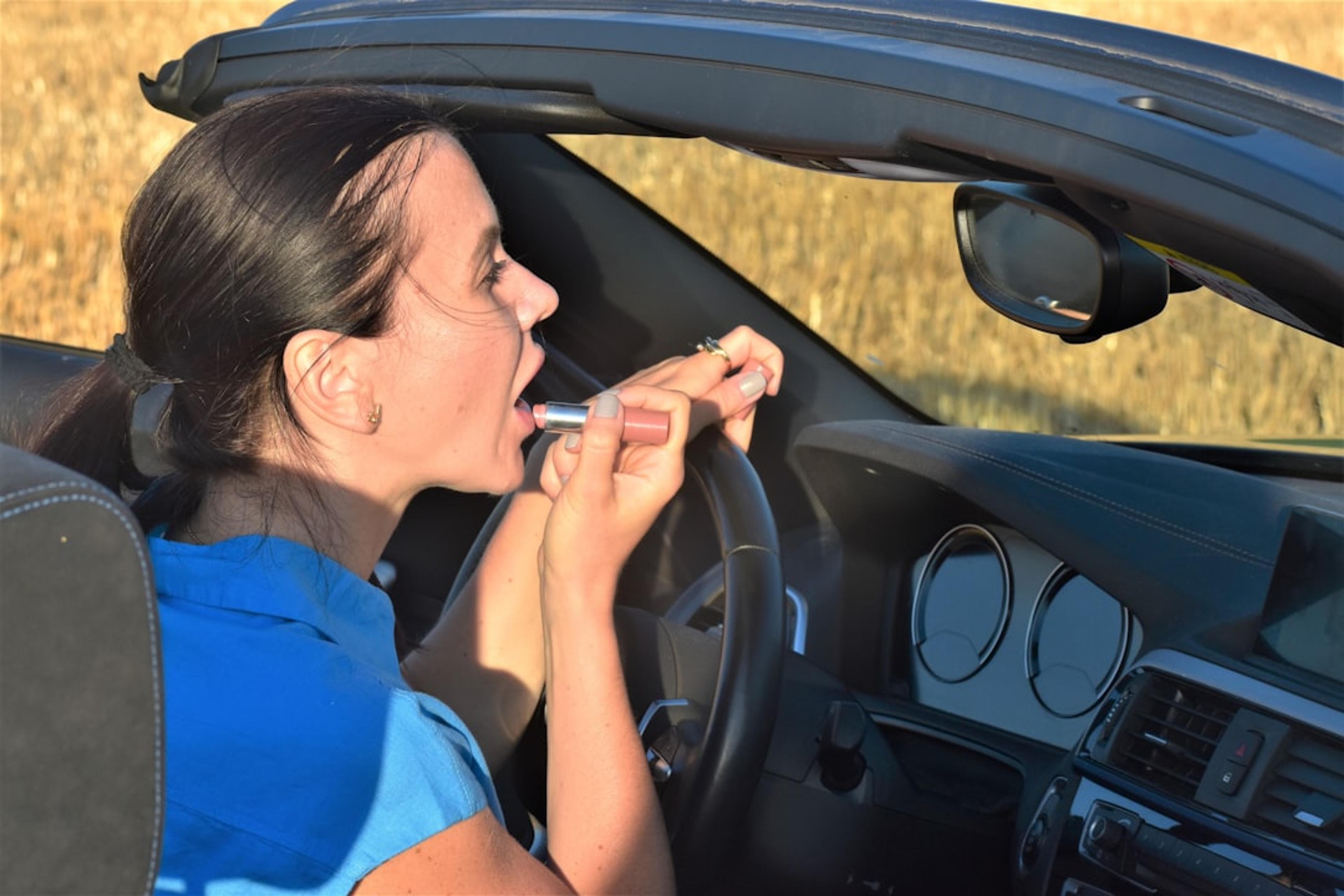
The first official step in obtaining a full driver's license in Massachusetts is applying for a learner's permit. This permit allows new drivers to practice driving under supervision and is valid for two years. To apply, you must visit a local RMV office and pass a written knowledge test that covers Massachusetts road signs, traffic laws, and safe driving practices. It's recommended that applicants study the Massachusetts Driver's Manual thoroughly, as the test includes a range of questions that reflect real-life driving scenarios and legal requirements. The fee for a learner's permit is $30, and applicants must also pass a vision exam administered at the RMV.
On the day of your learner's permit test, arrive early to avoid long wait times. Bring all necessary documentation, including proof of identity and residency, and be prepared to take a vision test. The written knowledge test is typically conducted on a computer, allowing for immediate results. If you do not pass on your first attempt, don't worry - you can retake the test after a short waiting period. Many applicants find it helpful to take practice tests available online, which simulate the format and content of the actual exam. Once you've passed, your learner's permit will be issued, and you can start practicing your driving skills.

Pro Tips for Passing the Knowledge Test
Passing the knowledge test requires a solid understanding of Massachusetts driving laws and road signs. Here are some tips to help you succeed:
1. Study regularly and in short sessions to retain information better.
2. Use online practice tests to familiarize yourself with the test format.
3. Focus on areas where you feel less confident, such as specific road signs or traffic rules.
4. Discuss driving laws with experienced drivers to gain practical insights.
5. Stay calm during the test and read each question carefully before answering. By following these strategies, you'll increase your chances of passing the test on the first try.
Preparing for the Road Test
After obtaining your learner's permit and practicing your driving skills, the next step is preparing for the road test. The road test evaluates your ability to handle a vehicle safely and follow traffic laws in real-world conditions. Scheduling the test requires an appointment at a local RMV office, and it's advisable to book well in advance due to high demand. The test itself involves several components, including demonstrating proficiency in parallel parking, merging into traffic, and obeying traffic signals. Practicing these maneuvers in various conditions will help build your confidence and competence behind the wheel.
To increase your chances of passing the road test on your first attempt, consider taking professional driving lessons. A certified instructor can provide valuable feedback and identify areas for improvement. Additionally, practice driving in different weather conditions and at various times of day to adapt to changing environments. On the day of the test, ensure your vehicle is in good working order, with functioning lights, brakes, and signals. Arrive at the testing site early, bring all required documentation, and remain calm. Remember, the examiner is looking for safe driving practices, not perfection.
Common Mistakes to Avoid
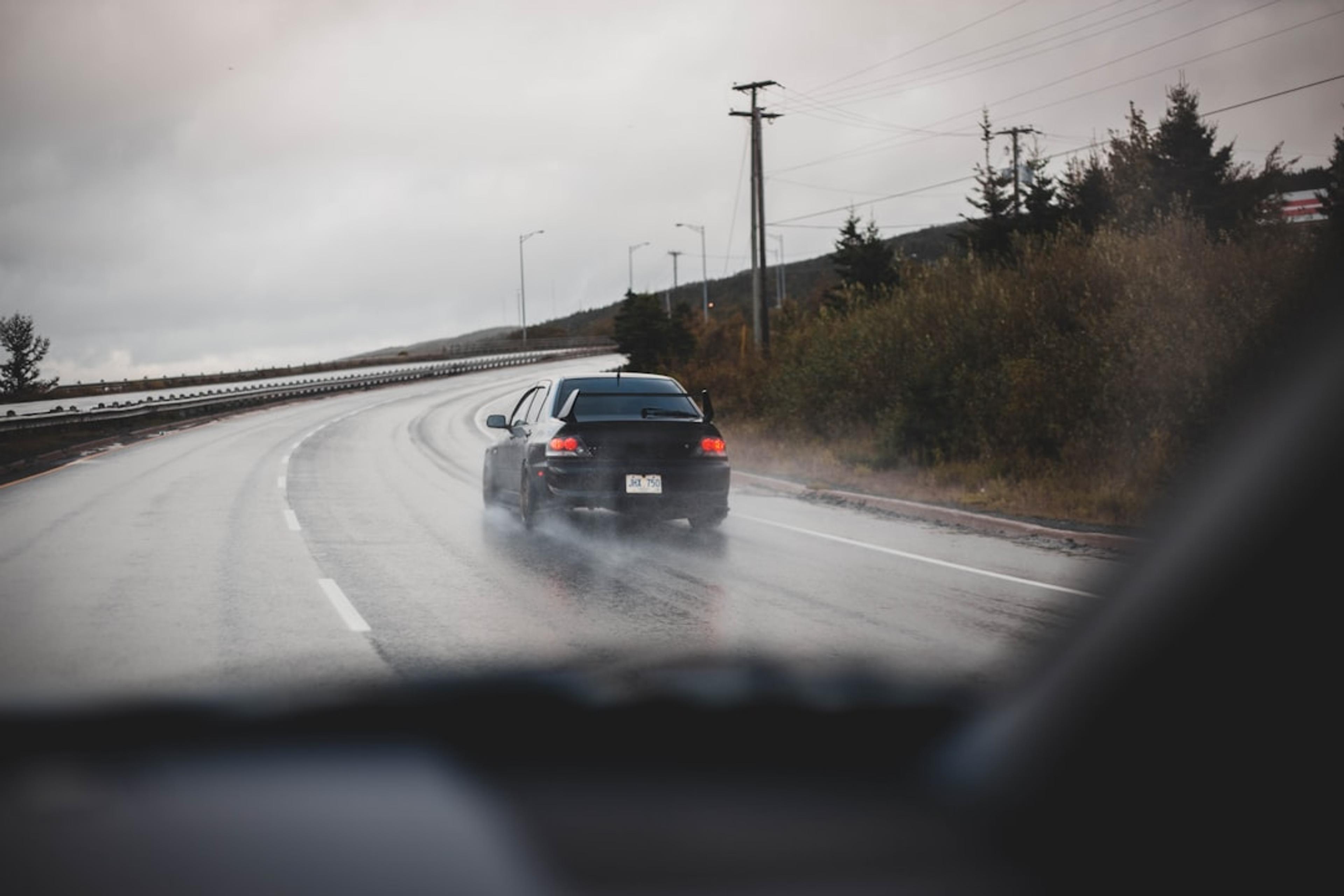
Even well-prepared applicants can make mistakes during the road test. One common error is failing to check blind spots when changing lanes or merging. This oversight can lead to automatic failure, as it demonstrates a lack of awareness. Another frequent mistake is speeding, especially in school zones or residential areas. Always adhere to posted speed limits and adjust your speed according to road conditions. Additionally, improper use of turn signals is a common oversight. Ensure you signal well in advance of any turn or lane change to communicate your intentions clearly to other drivers. By avoiding these common errors, you'll be better positioned to pass the road test successfully.
Lastly, don't underestimate the importance of a positive attitude. Test anxiety is common, but staying calm and focused can make a significant difference in your performance. If you do make a mistake during the test, don't dwell on it. Instead, concentrate on performing well for the remainder of the test. Examiners understand that minor errors happen and are more interested in your overall ability to drive safely and confidently.
Completing the Licensing Process
Once you've successfully passed the road test, the final step is completing the licensing process. You'll need to return to the RMV to have your photo taken and pay the applicable license fee, which varies depending on the type of license you're applying for. Your official Massachusetts driver's license will be mailed to you within a few weeks. During this period, continue practicing safe driving habits and stay informed about Massachusetts traffic laws. Remember that holding a driver's license is a privilege, and maintaining a clean driving record is essential for keeping that privilege intact.
For new drivers under 18, Massachusetts imposes specific restrictions during the first six months of licensure. These include a passenger restriction, which prohibits driving with passengers under 18, except for immediate family members, unless accompanied by a licensed adult over 21. Additionally, there is a night-time driving restriction between 12:30 a.m. and 5:00 a.m., unless with a parent or guardian. Understanding and adhering to these rules is crucial to avoid penalties and ensure a smooth transition to full driving privileges once the probationary period ends.
Conclusion: Achieving Your Driving Goals
Achieving your goal of obtaining a Massachusetts driver's license is a rewarding experience that brings increased independence and responsibility. By following the steps outlined in this guide, you can navigate the process with confidence and avoid common pitfalls. Remember, the key to success is thorough preparation, whether studying for the knowledge test or practicing for the road test. Stay informed about state-specific laws, and always prioritize safety on the road. With dedication and persistence, you'll soon enjoy the freedom of the open road as a licensed Massachusetts driver.

