Understanding Slippery Road Signs in Mississippi

Driving in Mississippi can present unique challenges, especially when encountering slippery road conditions. Understanding the warning signs that indicate potential hazards is crucial for all drivers. Slippery road signs are designed to alert motorists to the possibility of reduced traction due to wet or icy surfaces. This comprehensive guide will delve into the types of slippery road signs used in Mississippi, their meanings, and the best practices for navigating these conditions safely.
The Importance of Slippery Road Signs
Slippery road signs play a vital role in ensuring road safety across Mississippi. These signs are strategically placed in areas prone to becoming slick, such as bridges, shaded stretches, and curves where water or ice accumulation is more likely. The iconography typically features a car with squiggly lines trailing behind, visually indicating the potential for slipping. Recognizing these signs is essential for adjusting driving behavior, such as reducing speed and increasing the following distance to prevent accidents.
Beyond the visual warning, these signs serve as a reminder to stay vigilant and adapt to changing road conditions. For instance, during and after rain, roads can become treacherous, especially if they haven't been wet for a while, as oils rise to the surface. Similarly, in winter, ice patches can form even when the rest of the road seems clear. Understanding the placement and purpose of slippery road signs can significantly reduce the risk of skidding or losing control.

Design and Visibility of Slippery Road Signs
Slippery road signs in Mississippi are designed to be highly visible with their distinctive diamond shape and yellow background, ensuring they catch drivers' attention. The black iconography stands out against the yellow, making it easy to recognize even in poor weather conditions. These signs are typically reflective, enhancing visibility at night when drivers might be less aware of the road conditions. Understanding the design elements helps drivers quickly process the warning and adjust their driving accordingly.
Navigating Slippery Roads Safely
Driving on slippery roads demands heightened caution and precise control of your vehicle. The first step in safely navigating these conditions is to reduce speed well before reaching the area indicated by a slippery road sign. This gives your vehicle more time to respond to any unexpected slides or slips. Additionally, maintaining a safe distance from the car in front of you provides ample time to react if it stops abruptly. Using gentle steering and avoiding sudden movements can help maintain control.
Braking techniques are also critical in slippery conditions. Instead of slamming on the brakes, which can cause skidding, use steady, gradual pressure. If your vehicle is equipped with anti-lock brakes (ABS), apply firm pressure and let the system manage the braking process. For vehicles without ABS, you might need to pump the brakes lightly to maintain control. In icy conditions, it's also wise to avoid using cruise control, as it can lead to loss of traction if the car begins to slip.

Pro Tips for Wet and Icy Roads
Preparation is key to handling slippery roads effectively. Before setting out, check the weather and road conditions along your route. Ensure your vehicle is equipped with the appropriate tires for the season, and that they are properly inflated. In addition, keeping your windshield wipers in good condition and your windshield washer fluid topped up can ensure you maintain visibility during rain or snow. Carrying emergency supplies such as sand or kitty litter for traction can also be invaluable if you find yourself stuck.
State-Specific Considerations in Mississippi
Mississippi's climate, characterized by mild winters and frequent rainfall, necessitates a particular awareness of slippery road conditions. The state's varied geography means drivers must be prepared for different scenarios, from coastal areas with heavy rain to northern regions that occasionally experience ice and snow. Understanding local weather patterns and how they affect road conditions can help you anticipate and react to changes more effectively.
Mississippi also has specific regulations regarding road maintenance and safety. For instance, the Mississippi Department of Transportation (MDOT) actively monitors road conditions and provides updates during inclement weather. Keeping informed through MDOT's resources can help drivers avoid hazardous areas and plan safer routes. Additionally, participating in local defensive driving courses can enhance your skills and confidence when handling slippery surfaces.
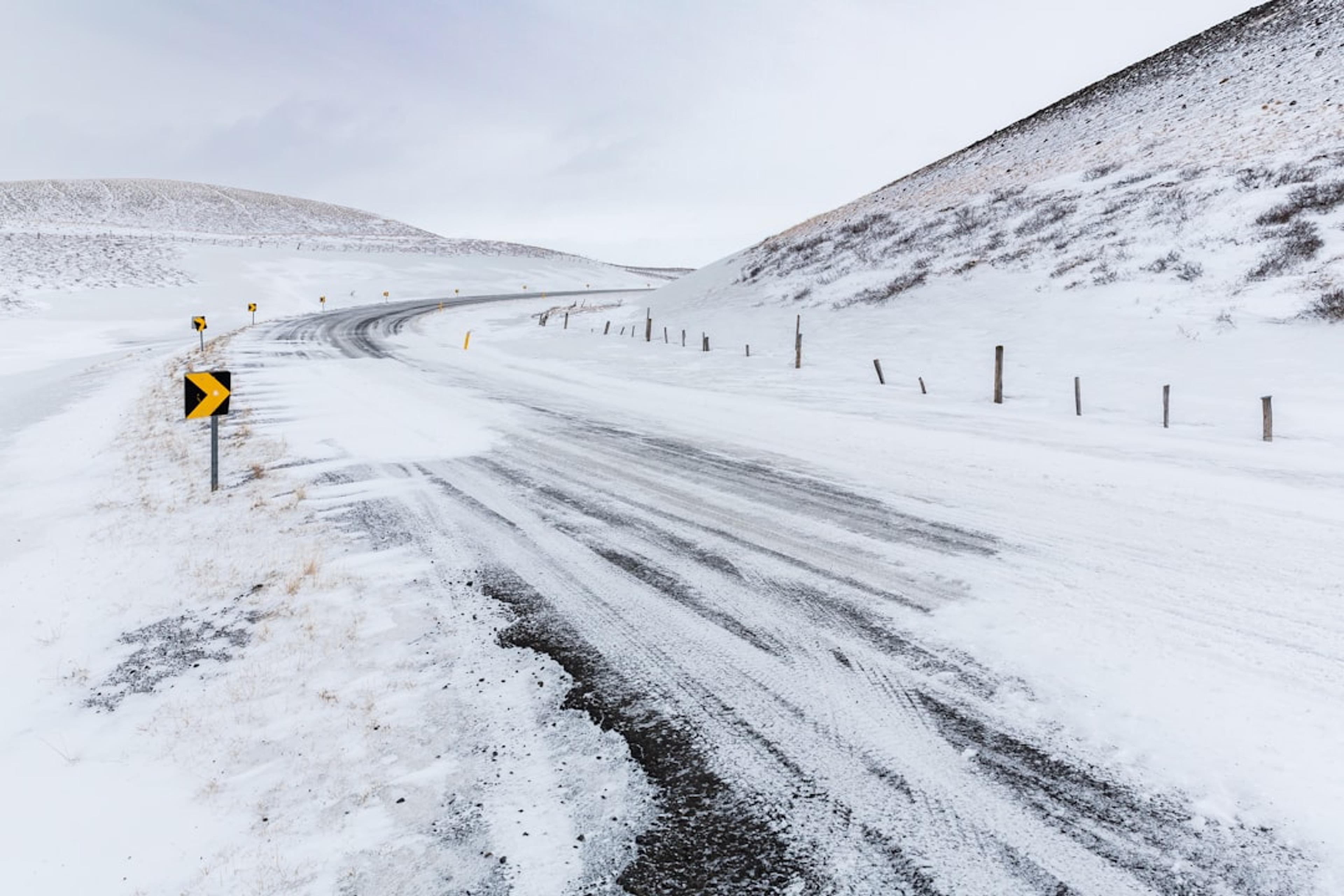
Conclusion: Staying Safe on Slippery Roads
Navigating slippery roads requires a combination of awareness, preparation, and practical driving skills. By understanding the significance of slippery road signs in Mississippi and applying the tips provided, drivers can enhance their safety and confidence on the road. Always stay informed about current road and weather conditions, and remember to adjust your driving style to suit the environment. With these strategies, you can minimize risks and ensure a safer journey, regardless of the weather.

