Exploring Electric Vehicle Adoption in South Carolina

The adoption of electric vehicles (EVs) is on the rise across the United States, and South Carolina is no exception. As the drive towards sustainability accelerates, the state is actively promoting the use of EVs through various incentives and infrastructural developments. This article delves into South Carolina's journey towards embracing electric mobility, examining the incentives available to residents, the current state of charging infrastructure, and the overall impact of these changes on the environment and local economy. Whether you're an EV enthusiast or a potential buyer, understanding South Carolina's approach is crucial to navigating the future of transportation in the state.
The Rise of Electric Vehicles in South Carolina
South Carolina has seen a notable increase in the number of electric vehicles on its roads. This trend is fueled by a combination of environmental awareness, technological advancements, and supportive government policies. The state has implemented several initiatives to encourage EV adoption, including tax incentives, rebates, and grants. These measures aim to reduce the initial cost barrier for consumers and make EVs a more attractive option compared to traditional gasoline vehicles. Moreover, the availability of a growing number of electric vehicle models, offering extended range and improved performance, is further driving consumer interest in making the switch.
The state's commitment to reducing carbon emissions and promoting clean energy plays a significant role in its transportation strategy. By increasing the number of electric vehicles, South Carolina aims to decrease its reliance on fossil fuels and reduce air pollution, contributing to a healthier environment. According to recent statistics, the number of registered electric vehicles in South Carolina has doubled over the past few years, reflecting a nationwide trend towards greener transportation options. This shift is not only beneficial for the environment but also for the local economy, as it stimulates job growth in the clean energy sector.

State Incentives for Electric Vehicle Owners
To promote the adoption of electric vehicles, South Carolina offers various incentives to prospective EV owners. One of the most significant incentives is the state tax credit, which provides financial relief to individuals purchasing an electric vehicle. This credit can significantly reduce the overall cost of acquiring an EV, making it a more feasible option for many residents. In addition to state-level incentives, federal tax credits are also available, offering further savings on electric vehicle purchases. These combined incentives are instrumental in making EVs accessible to a broader audience.
Apart from financial incentives, South Carolina also supports infrastructure development to accommodate the growing number of EVs. The state has invested in expanding its network of public charging stations, which is crucial for alleviating range anxiety among potential buyers. By ensuring that charging facilities are readily available, South Carolina is making it more convenient for residents to own and operate electric vehicles. This investment in infrastructure is a critical step towards achieving the state's long-term sustainability goals and reducing its carbon footprint.
Understanding the Tax Credit Application Process
Applying for the state tax credit involves several steps that prospective EV owners should be aware of. Firstly, it's essential to ensure that the vehicle model qualifies for the credit, as not all electric vehicles may be eligible. Once eligibility is confirmed, the next step is to purchase the EV and retain all relevant documentation, such as the sales receipt and vehicle identification number. Applicants must then complete the necessary forms and submit them to the South Carolina Department of Revenue. It's advisable to consult with a tax professional or the Department of Revenue to fully understand the process and maximize the potential credit received.
The Growth of Charging Infrastructure
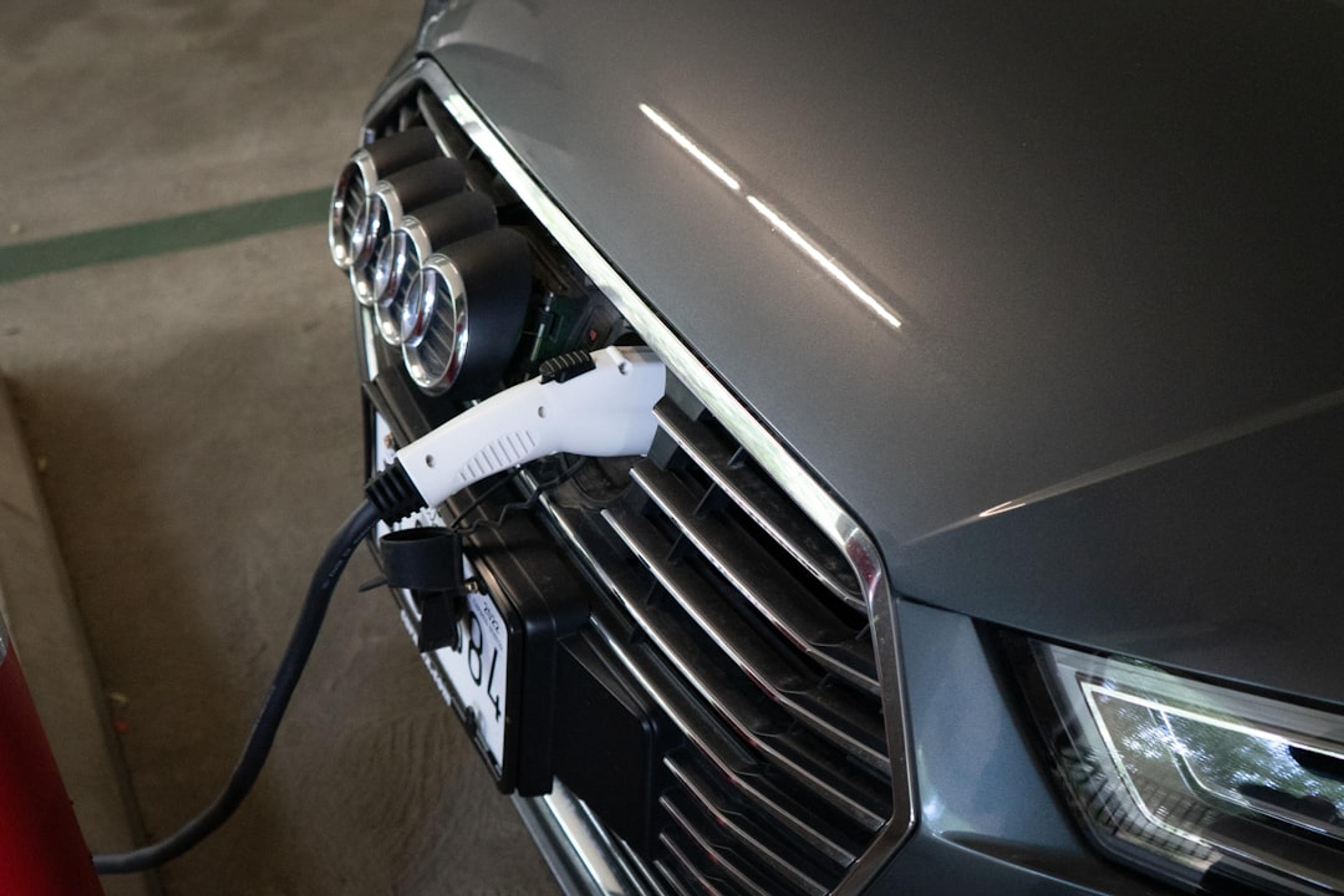
A robust charging infrastructure is essential to support the increasing number of electric vehicles in South Carolina. The state has recognized this need and is actively working to expand its network of charging stations. Public charging stations are being installed at strategic locations, including shopping centers, workplaces, and along major highways, to ensure that EV owners have convenient access to charging facilities. This expansion is crucial in addressing concerns about range limitations and making electric vehicles a viable option for long-distance travel within the state.
The development of charging infrastructure is also supported by partnerships between the state, local governments, and private companies. These collaborations are vital for leveraging resources and expertise to accelerate the deployment of charging stations. Furthermore, advancements in charging technology, such as fast-charging stations, are being integrated into the network, providing quicker and more efficient charging options for EV owners. As the infrastructure continues to grow, South Carolina is positioning itself as a leader in the transition to electric mobility, offering a model for other states to follow.
Innovative Charging Solutions
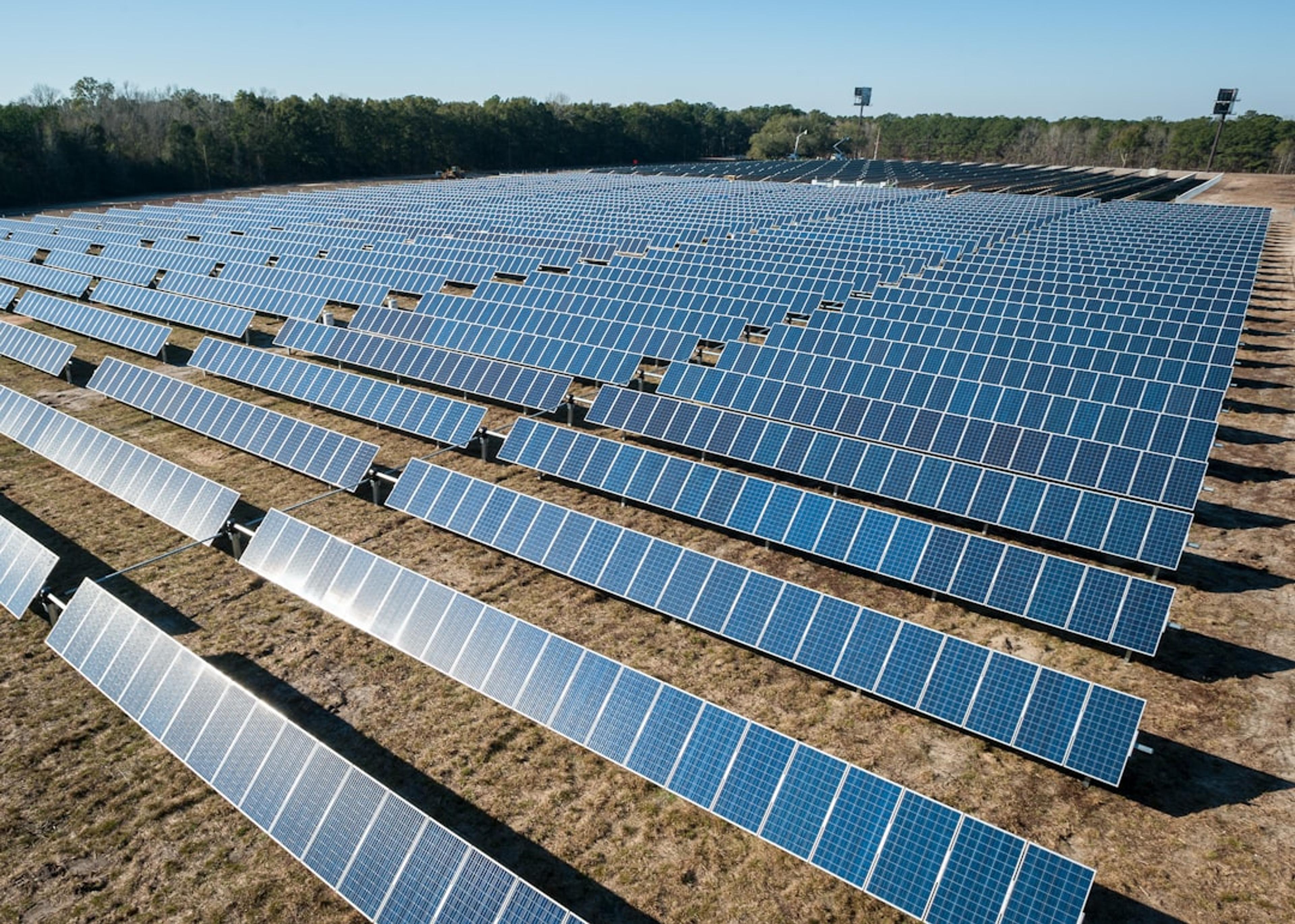
In addition to traditional charging stations, South Carolina is exploring innovative solutions to enhance its charging infrastructure. One such initiative is the development of solar-powered charging stations, which combine renewable energy with electric vehicle technology. These stations not only provide a sustainable energy source but also reduce the reliance on the grid, contributing further to environmental conservation efforts. Another innovative approach is the integration of smart grid technology, allowing for better management of energy distribution and load balancing across the network. These advancements demonstrate South Carolina's commitment to embracing cutting-edge technology in its pursuit of a cleaner transportation future.
Environmental and Economic Impacts
The transition to electric vehicles in South Carolina has significant environmental and economic impacts. On the environmental front, increased EV adoption contributes to a reduction in greenhouse gas emissions, improving air quality and reducing the state's overall carbon footprint. This shift aligns with global efforts to combat climate change and promote sustainability. Additionally, fewer emissions lead to improved public health outcomes, as air pollution is a known contributor to respiratory and cardiovascular diseases.
Economically, the growth of the electric vehicle market presents new opportunities for job creation and investment. The expansion of charging infrastructure and the need for skilled technicians to maintain EVs and charging stations drive demand for a specialized workforce. Furthermore, South Carolina's commitment to electric vehicles attracts businesses and investors interested in clean energy, boosting the state's economy and supporting local communities. The combination of environmental benefits and economic growth makes the transition to electric vehicles a win-win scenario for South Carolina.
Case Study: Local Business Impact
A notable example of the economic impact of electric vehicles in South Carolina is the growth of local businesses specializing in EV technology and services. Companies such as charging station manufacturers and EV maintenance providers have seen increased demand for their products and services, leading to job creation and business expansion. Additionally, businesses that incorporate EV charging facilities attract customers who value sustainability, enhancing their brand image and customer loyalty. This ripple effect demonstrates how the shift towards electric vehicles extends beyond individual consumers, benefiting the broader business community in South Carolina.
Looking Ahead: The Future of Electric Vehicles in South Carolina
As South Carolina continues to embrace electric vehicles, the future looks promising. The state's ongoing commitment to expanding EV infrastructure and providing incentives sets a strong foundation for continued growth. Looking ahead, South Carolina aims to increase the percentage of electric vehicles on its roads, further reducing reliance on fossil fuels and enhancing sustainability efforts. The state is also exploring the potential integration of autonomous electric vehicles, which could revolutionize transportation by offering safer and more efficient travel options.
To achieve its goals, South Carolina will need to continue fostering partnerships between government, businesses, and communities. Collaborative efforts are essential to overcoming challenges such as infrastructure development, technological advancements, and public awareness. By maintaining a forward-thinking approach and embracing innovation, South Carolina can serve as a model for other states looking to transition to electric mobility. The journey towards widespread EV adoption is just beginning, and South Carolina is poised to lead the way.
In conclusion, South Carolina's efforts to promote electric vehicles are a testament to its commitment to sustainability and economic growth. Through incentives, infrastructure development, and a focus on innovation, the state is paving the way for a cleaner and more efficient transportation future. For residents and businesses alike, embracing electric vehicles offers a path towards environmental responsibility and economic opportunity. As the state continues to advance its electric vehicle initiatives, South Carolina stands as a beacon of progress in the journey towards a sustainable future.

