Understanding Motorcycle Hazard Awareness for 2026

As the number of motorcyclists on the road continues to increase, the importance of hazard awareness has never been more critical. In 2026, understanding and anticipating potential dangers on the road is a vital skill for all motorcycle riders. This article aims to provide a comprehensive overview of the hazard awareness skills needed for motorcyclists, focusing on new challenges, techniques for safe riding, and the latest regulations that may affect riders. By mastering these skills, motorcyclists can ensure a safer journey, regardless of the conditions they encounter.
The Importance of Hazard Awareness for Motorcyclists
Hazard awareness is a key component of motorcycle safety. It involves recognizing potential dangers on the road and reacting appropriately to prevent accidents. In 2026, with increasing traffic density and more distractions for drivers, motorcyclists must be more vigilant than ever. Common hazards include road conditions, weather changes, and the behavior of other road users. Riders must develop a keen sense of observation, predicting potential threats before they manifest. By staying alert and maintaining a safe distance from other vehicles, motorcyclists can reduce their risk of accidents significantly.
Modern motorcycles are equipped with advanced safety features, but these can only complement the rider's skills. Riders should regularly participate in training programs to update their hazard awareness skills. Many states offer refresher courses specifically designed for seasoned riders. These courses cover new traffic laws, advanced riding techniques, and the latest safety technologies. Such proactive learning helps riders remain prepared for unexpected situations, ensuring both their safety and that of others on the road.
Common Road Hazards and How to Handle Them
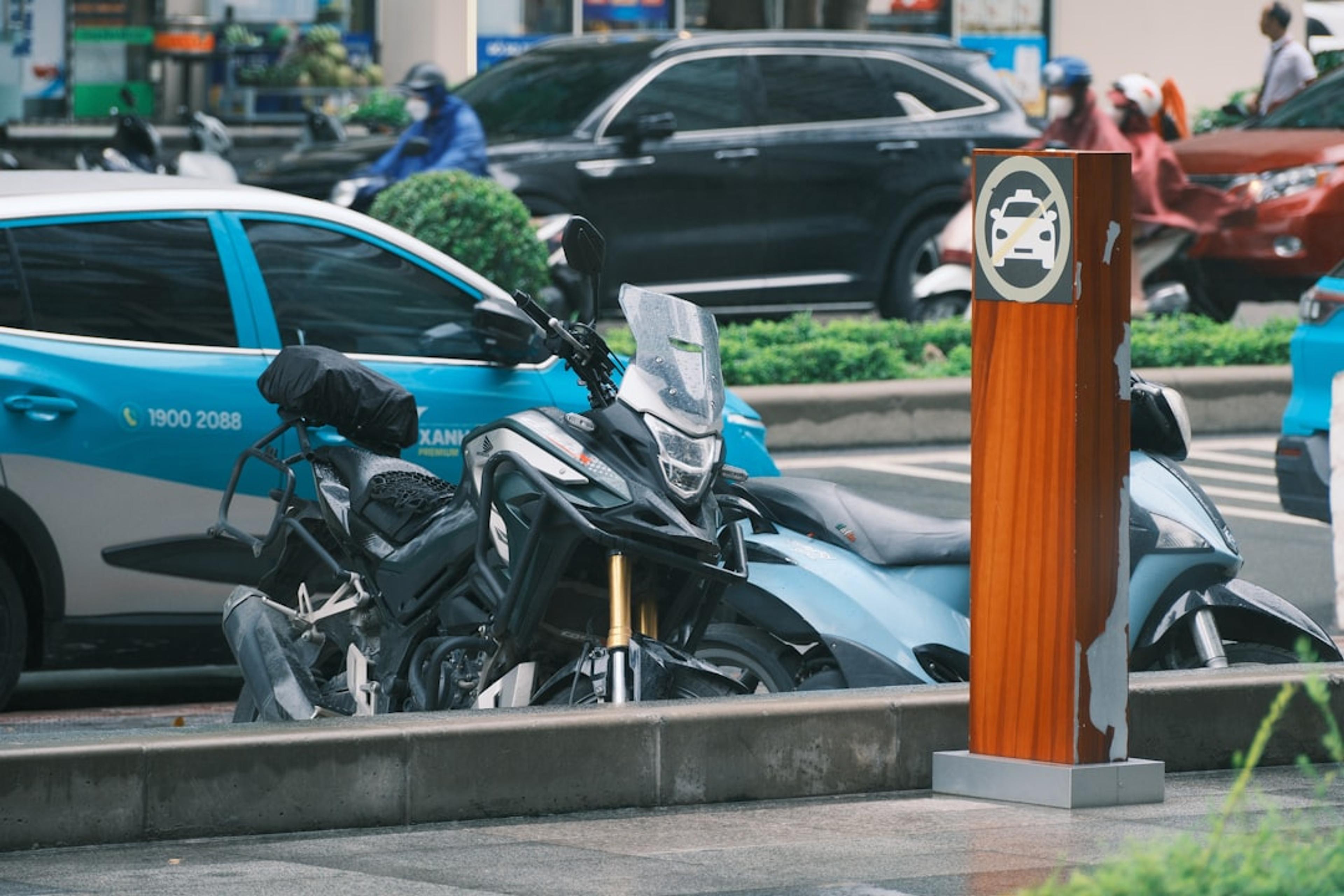
Understanding common road hazards is essential for safe riding. Potholes, for example, can be particularly dangerous for motorcycles due to their two-wheeled nature. Riders should always scan the road ahead and be prepared to adjust their speed or path. Wet roads can also pose a risk, reducing traction and increasing stopping distances. In such conditions, smooth and gradual inputs on the throttle, brakes, and steering are crucial. Additionally, wildlife crossings and pedestrian interactions require quick reflexes and the ability to anticipate sudden movements. Practicing evasive maneuvers in controlled environments can enhance a rider's readiness for these scenarios.
Developing Defensive Riding Techniques
Defensive riding is a mindset that prioritizes safety and anticipation. Motorcyclists should always assume that other drivers may not see them, especially in heavy traffic. This involves positioning the motorcycle in a way that maximizes visibility, such as avoiding blind spots and using lane positioning to signal intentions. Riders should also maintain an adequate following distance to give themselves more time to react to sudden stops or changes in traffic flow. Practicing defensive riding not only helps in avoiding collisions but also encourages a more relaxed and enjoyable riding experience.
Effective communication is another pillar of defensive riding. Using hand signals, horn, and lights appropriately can alert other road users to a motorcyclist's presence and intentions. Riders should also be aware of their body language, which can convey crucial information about their next move. For instance, slight shifts in posture can indicate a turn or lane change, helping nearby drivers anticipate the rider's actions. Building these habits into everyday riding ensures that motorcyclists remain proactive and predictable on the road.
Adapting to Weather Conditions
Weather conditions can drastically affect motorcycle handling and safety. In 2026, advanced weather forecasting tools are more accessible, allowing riders to plan their trips around adverse conditions. However, unexpected weather changes can still occur, requiring preparedness and adaptability. Rain, fog, and wind are common challenges that can affect visibility and control. Riders should have the appropriate gear, such as waterproof clothing and anti-fog visors, to maintain comfort and focus on the road. Additionally, understanding how different weather conditions affect traction and maneuverability is crucial for making safe riding decisions.
In windy conditions, motorcyclists need to be particularly cautious. Crosswinds can push a motorcycle off course, necessitating adjustments to maintain stability. Riders should lean into the wind and use their body weight to counterbalance its effects. In foggy conditions, reducing speed and using headlights effectively is essential to increase visibility. By practicing these techniques regularly, riders can build confidence in their ability to handle diverse weather scenarios, ensuring that they remain safe regardless of the elements.

Proactive Measures for Safe Riding
Proactive safety measures are vital for every motorcyclist. Regular maintenance of the motorcycle ensures that it is always in optimal condition. This includes checking tire pressure, brakes, lights, and fluid levels before each ride. A well-maintained motorcycle performs better and is less likely to fail at critical moments. Riders should also invest in quality safety gear, such as helmets, gloves, and protective clothing, which provide critical protection in case of an accident. Finally, staying informed about new safety technologies and integrating them into riding practices can significantly enhance safety outcomes.
Conclusion: Prioritize Safety and Continuous Learning
In conclusion, motorcycle hazard awareness is an essential skill set for riders in 2026. By understanding common hazards, developing defensive riding techniques, and adapting to weather conditions, motorcyclists can significantly enhance their safety on the road. Continuous learning and proactive safety measures are key components of responsible riding. As the road environment evolves, so too must the skills and knowledge of motorcyclists. Prioritizing safety through education and awareness ensures that every ride is not only enjoyable but also safe. Riders are encouraged to take advantage of the numerous resources available, including training programs and safety workshops, to keep their skills sharp and their journeys safe.

