Essential Car Maintenance Cheat Sheet for New Drivers

Becoming a new driver is an exciting milestone, but it also comes with the responsibility of maintaining your vehicle. Proper car maintenance not only ensures your safety but also prolongs the life of your vehicle. This comprehensive cheat sheet covers essential maintenance tasks every new driver should know. From understanding how to perform regular oil changes to recognizing the signs of worn brakes, we will guide you through the steps needed to keep your car in top condition. Whether you are a teen driver or simply new to car ownership, these tips will empower you to take charge of your vehicle’s health.
Understanding Basic Car Maintenance
Car maintenance is the process of keeping your vehicle in good working condition. For new drivers, learning the basics of car maintenance can seem daunting, but it's essential for safety and cost efficiency. A well-maintained car is less likely to break down and will have a longer lifespan. Basic maintenance tasks include regular oil changes, checking tire pressure, and ensuring all fluids are at the correct levels. Each task is simple once you know what to do, and with practice, these tasks can become second nature. Regular maintenance checks should be scheduled in line with your car manufacturer’s guidelines. It's also important to familiarize yourself with your vehicle's manual, as it contains specific maintenance recommendations and schedules.
Oil changes are one of the most critical aspects of car maintenance. Engine oil lubricates the engine parts, reducing friction and carrying away heat. Over time, oil breaks down and loses its effectiveness, which could lead to engine damage if not changed regularly. Most cars require an oil change every 3,000 to 5,000 miles, but this varies based on the type of oil used and the manufacturer's recommendations. Checking the oil level is easy: simply remove the dipstick, wipe it clean, reinsert it, and then remove it again to see the oil level mark. If it's low, top it up with the appropriate oil type as specified in your car's manual.
Checking and Maintaining Tire Health
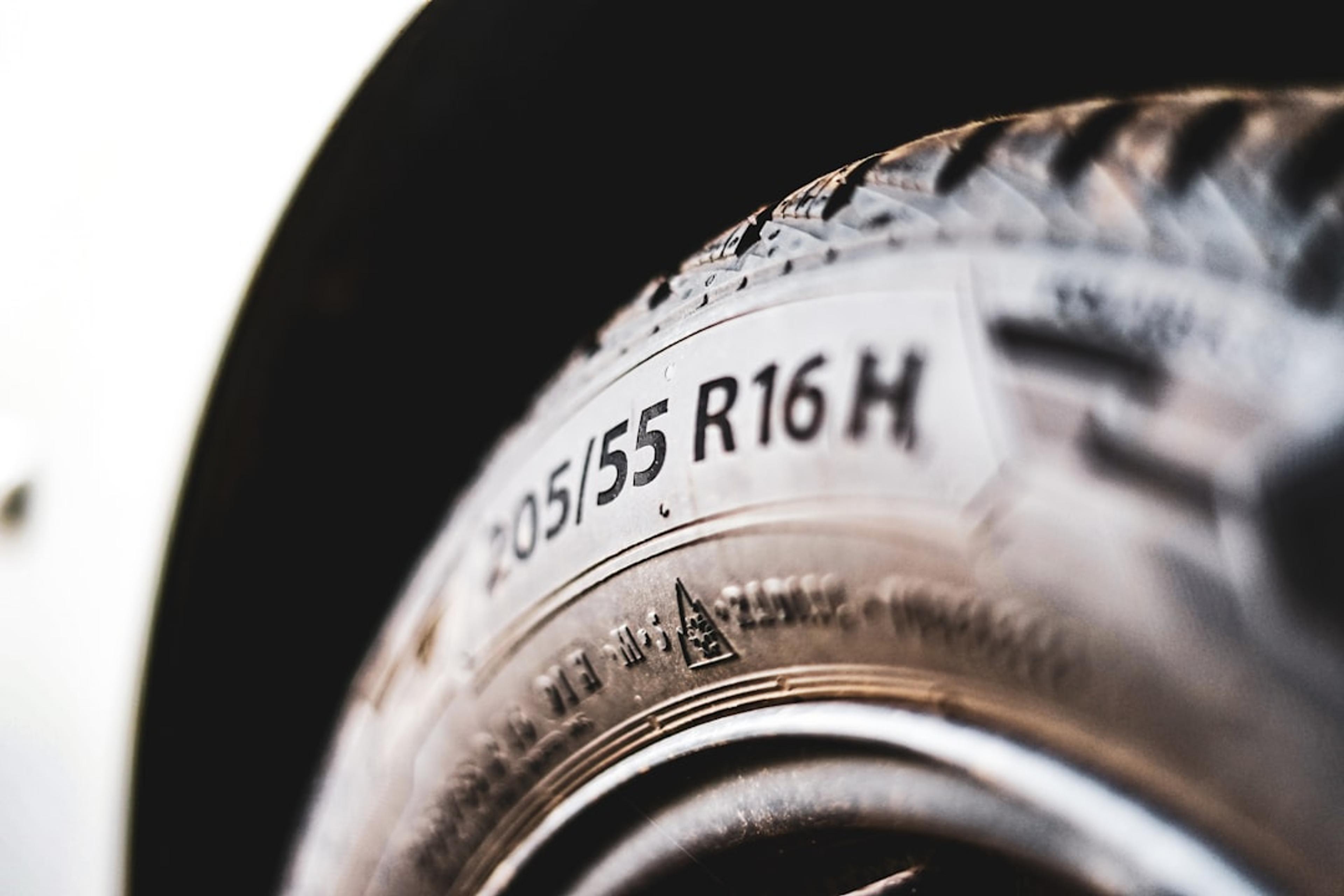
Tires are your car's direct contact with the road, making them crucial for safety and efficiency. Regular tire maintenance involves checking the tire pressure, ensuring proper alignment, and inspecting for wear and tear. Incorrect tire pressure can lead to reduced fuel efficiency and increased wear on tires. You should check your tire pressure at least once a month using a pressure gauge, and fill or release air as needed to match the recommended PSI in your vehicle’s manual. Additionally, rotating your tires every 5,000 to 7,000 miles helps them wear evenly, extending their lifespan. Look for signs of uneven wear, such as bald spots or cords showing through the rubber, as these indicate a need for alignment or replacement.
Fluids and Filters: Keeping Your Car Running Smoothly
Your vehicle relies on various fluids to function properly, including brake fluid, coolant, transmission fluid, and windshield washer fluid. Each fluid plays a vital role in the operation and safety of your car, and neglecting them can lead to major issues. Checking fluid levels is straightforward and should be done regularly according to your car's maintenance schedule. For example, brake fluid is critical for stopping power, and low levels can lead to brake failure. Similarly, coolant prevents the engine from overheating. Always use the type of fluid recommended in your car's manual, and be cautious when topping up these fluids, as overfilling can cause damage.
Filters are another key component of car maintenance. The oil filter, air filter, and fuel filter all serve to keep your engine running cleanly and efficiently. The oil filter should be replaced with every oil change, as it traps contaminants and prevents them from circulating in the engine. The air filter, which prevents dirt and debris from entering the engine, should be checked every 15,000 to 30,000 miles, or more frequently if you drive in dusty conditions. A clean air filter can improve fuel efficiency and engine performance. The fuel filter, which screens out dirt and rust particles from the fuel, should be replaced according to your vehicle's maintenance schedule to prevent fuel system damage.
Battery Maintenance and Replacement
A car battery is essential for starting your vehicle and powering electrical components. Regular battery maintenance includes checking for corrosion on the terminals and ensuring the battery is securely mounted. Corrosion can be cleaned with a solution of baking soda and water, and terminal connections should be tightened if they are loose. Batteries typically last 3 to 5 years, but factors like climate and driving habits can affect their lifespan. If you notice dim headlights or your car struggles to start, it might be time for a replacement. Many auto parts stores offer free battery testing, which can help determine if your battery is still holding a charge or needs to be replaced.
Brakes and Suspension Checks
The braking system is one of the most critical safety features of your car. Regular brake checks should not be overlooked, as they ensure your ability to stop safely. Signs of brake wear include squeaking or grinding noises, a spongy brake pedal, or a vibrating steering wheel when braking. Brake pads should be checked every 10,000 to 20,000 miles, and replaced if they are less than 1/4 inch thick. Additionally, the brake fluid level should be checked regularly, as low levels can affect braking performance. If you suspect brake issues, it's important to have them inspected by a professional to prevent accidents.
The suspension system supports your vehicle and absorbs shock from the road, ensuring a smooth ride. Over time, components like shocks and struts can wear out and need replacement. Common signs of suspension problems include a rough ride, drifting or pulling during turns, and uneven tire wear. It's advisable to have your suspension system inspected during regular maintenance check-ups, and to replace worn components as needed. Maintaining a healthy suspension system will not only improve ride comfort but also enhance your vehicle's handling and safety.
Pro Tips for Longevity and Performance
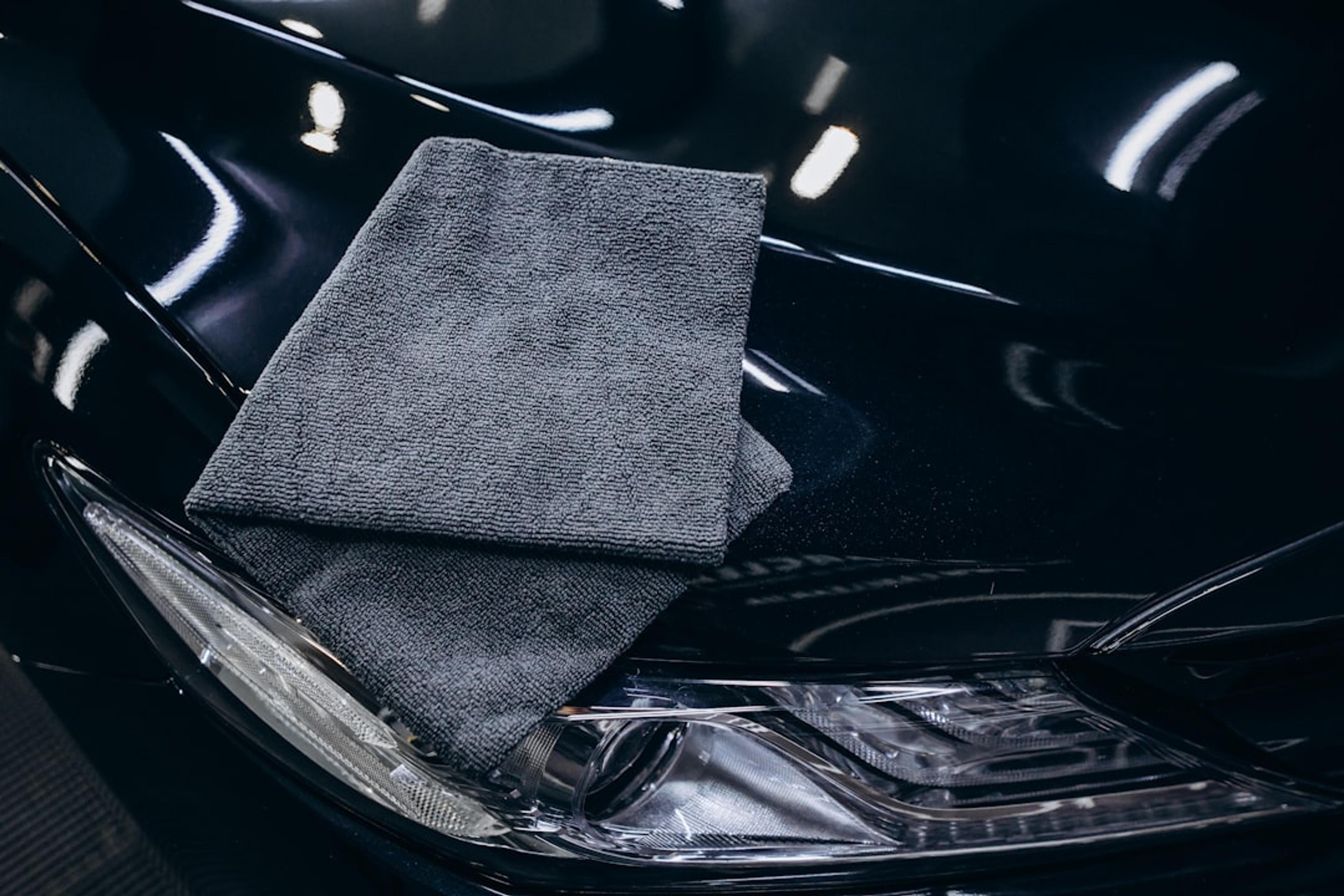
In addition to regular maintenance, there are several tips new drivers can follow to extend the life of their vehicle and improve performance. Always drive smoothly and avoid harsh acceleration or braking, as this reduces wear on engine components and improves fuel efficiency. Regularly clean your car, both inside and out, to prevent damage from dirt and debris. Use quality fuel and lubricants, as recommended by your vehicle's manufacturer, to ensure optimal performance. Lastly, address any issues promptly—ignoring minor problems can lead to costly repairs down the line.
Conclusion: Taking Control of Your Car's Health
Being a new driver means embracing the responsibility of regular car maintenance to ensure your safety and vehicle longevity. By understanding and performing basic maintenance tasks such as oil changes, tire checks, and brake inspections, you can prevent common issues and keep your car running smoothly. Incorporating these practices into your driving routine will not only save you money on repairs but also provide peace of mind knowing your vehicle is reliable. Start by creating a maintenance schedule, familiarize yourself with your car’s manual, and don't hesitate to seek professional help when needed. With this cheat sheet, you're well-equipped to take control of your car's health and enjoy the road ahead.

