Mastering Road Signs for Your Behind-the-Wheel Test

Preparing for your behind-the-wheel driving test involves more than just practicing maneuvers and obeying traffic laws. A crucial part of the assessment is your ability to recognize and respond to road signs correctly. These signs communicate important information and rules of the road, ensuring safety for all road users. In this guide, we'll explore the most common road signs you need to know, discuss their meanings, and provide strategies to help you remember them effectively. Whether you're a new driver or refreshing your skills, understanding road signs is vital for passing your test and becoming a responsible driver.
Understanding Regulatory Road Signs
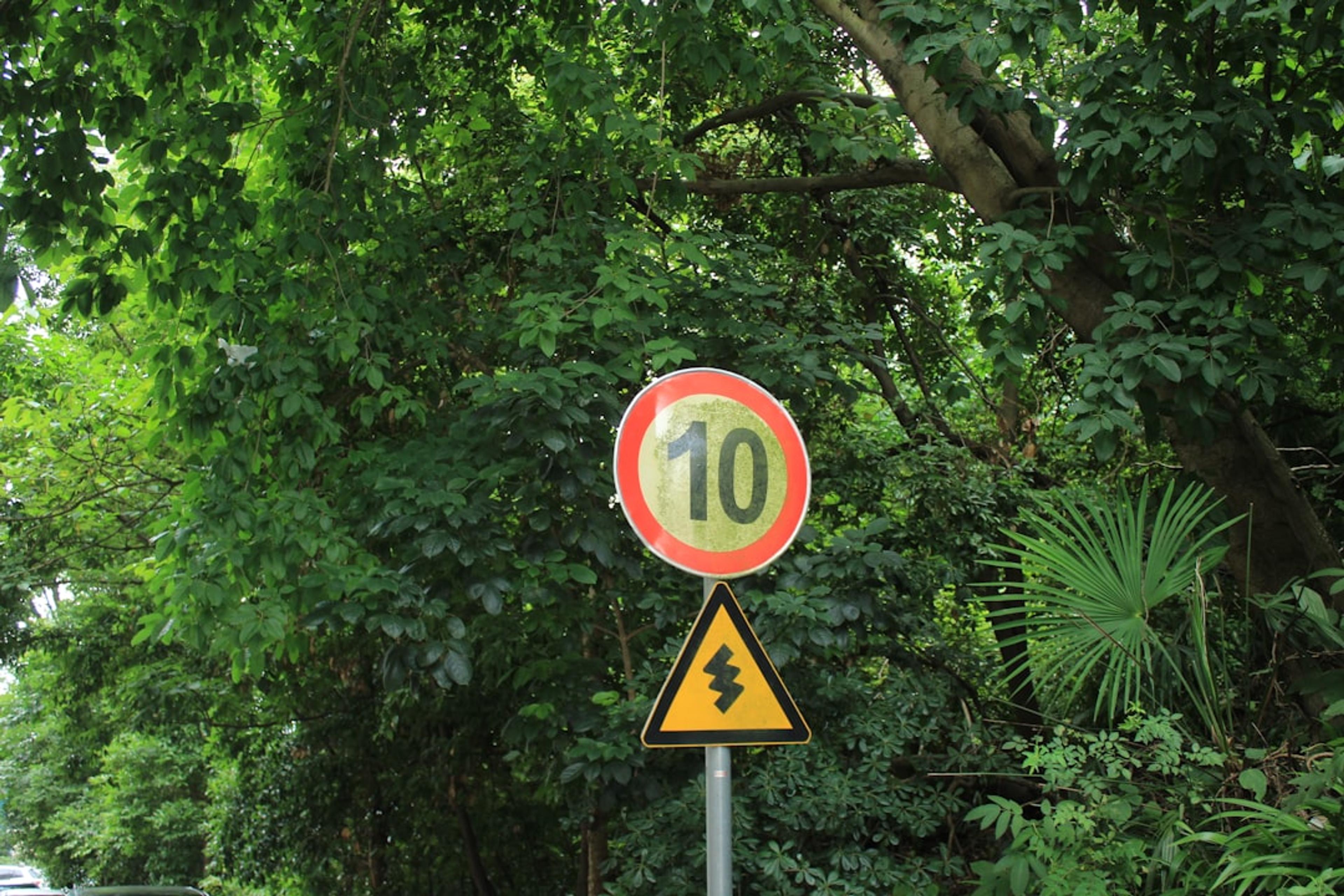
Regulatory road signs are essential as they enforce traffic laws and regulations. They are typically rectangular with a white background and black or red symbols or text. One of the most recognized regulatory signs is the stop sign, which dictates a complete stop at the intersection. Another crucial sign is the yield sign, indicating that drivers must slow down and give way to intersecting traffic. Speed limit signs, which display the maximum legal speed, are also regulatory and vary depending on the area and road type. Understanding and obeying these signs are crucial for passing your driving test, as failing to adhere to them can result in automatic disqualification.
In addition to stop and yield signs, drivers should also be familiar with no entry signs, which prohibit entry to a road or area, and turn restriction signs, such as no left or right turn, which guide the flow of traffic. Regulatory signs can also include parking restrictions, which are crucial in areas with limited space. Familiarize yourself with these signs by reviewing the driver’s handbook for your state, as there may be slight variations in design and enforcement.
Tips for Memorizing Regulatory Signs
To effectively memorize regulatory signs, consider creating flashcards with images on one side and explanations on the other. Practice regularly and test yourself in different scenarios. Another method is to take practice quizzes available online or use driving apps that simulate test conditions. Visualization techniques, such as imagining the sign in context at a busy intersection, can also help reinforce your memory. Remember, these signs are designed for quick recognition, so focus on the shape and color cues that distinguish them.
Comprehending Warning Road Signs
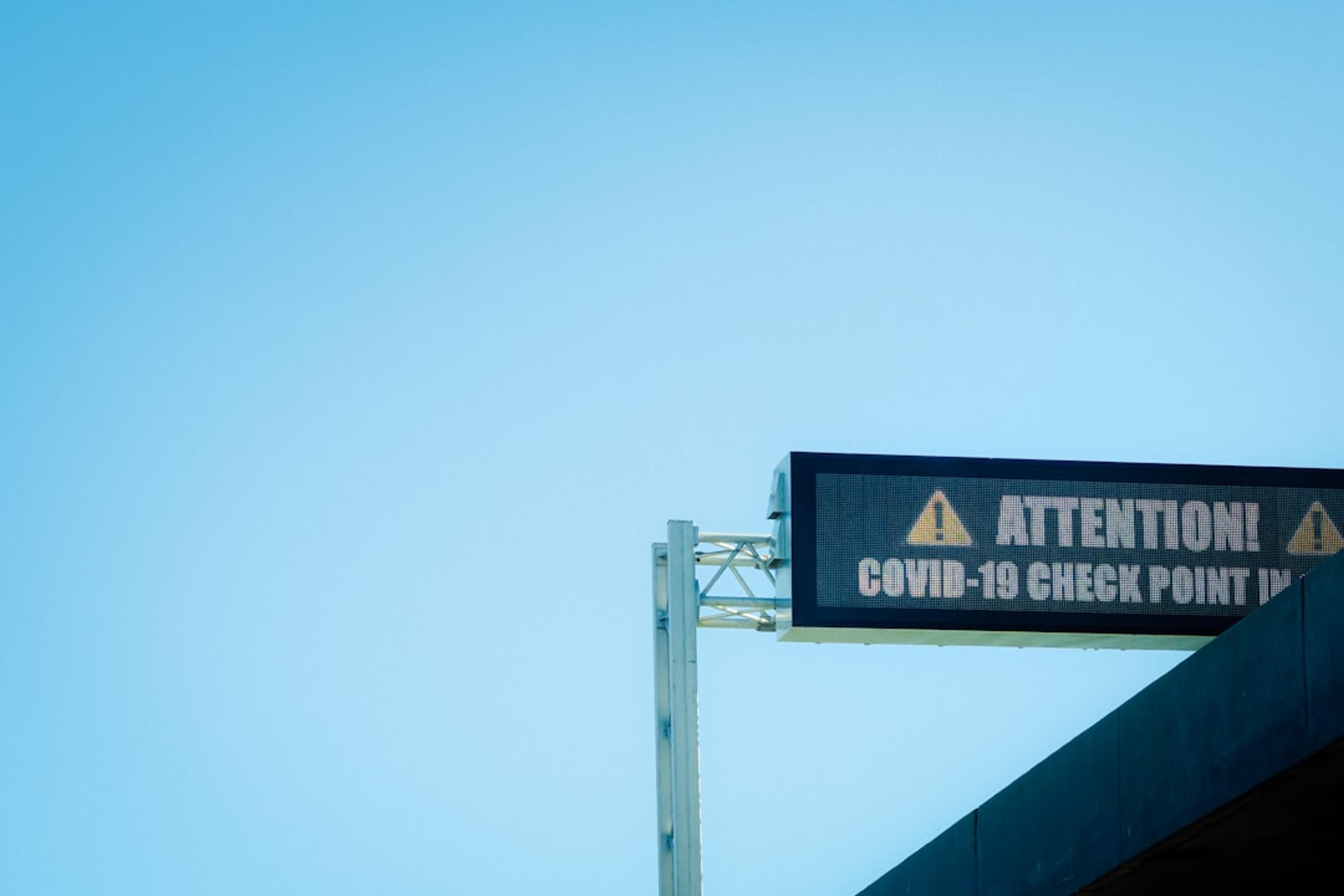
Warning road signs alert drivers to potential hazards ahead. Typically diamond-shaped with a yellow background and black symbols, these signs are critical for safe driving. They include signs for curves, school zones, pedestrian crossings, and animal crossings. For your behind-the-wheel test, being able to recognize these signs quickly and adjust your driving accordingly is essential. For example, when you see a curve warning sign, you should reduce your speed to maintain control of your vehicle. Similarly, a pedestrian crossing sign requires heightened awareness to ensure the safety of pedestrians.
Pay special attention to temporary warning signs, such as those indicating roadwork or detours. These signs are often orange and require immediate action to navigate safely through construction zones or alternate routes. Understanding the significance of warning signs and practicing defensive driving techniques in response to them can significantly increase your chances of passing the behind-the-wheel test.
Common Mistakes with Warning Signs
A common mistake during the driving test is failing to adjust speed or position when encountering warning signs. For instance, not slowing down in a school zone can be a critical error. To avoid such mistakes, keep an eye on the road and anticipate the need for speed adjustments or lane changes when approaching warning signs. Practicing in different environments, such as urban and rural settings, can help you become more adept at recognizing and responding to these signs.
Interpreting Guide and Informational Signs
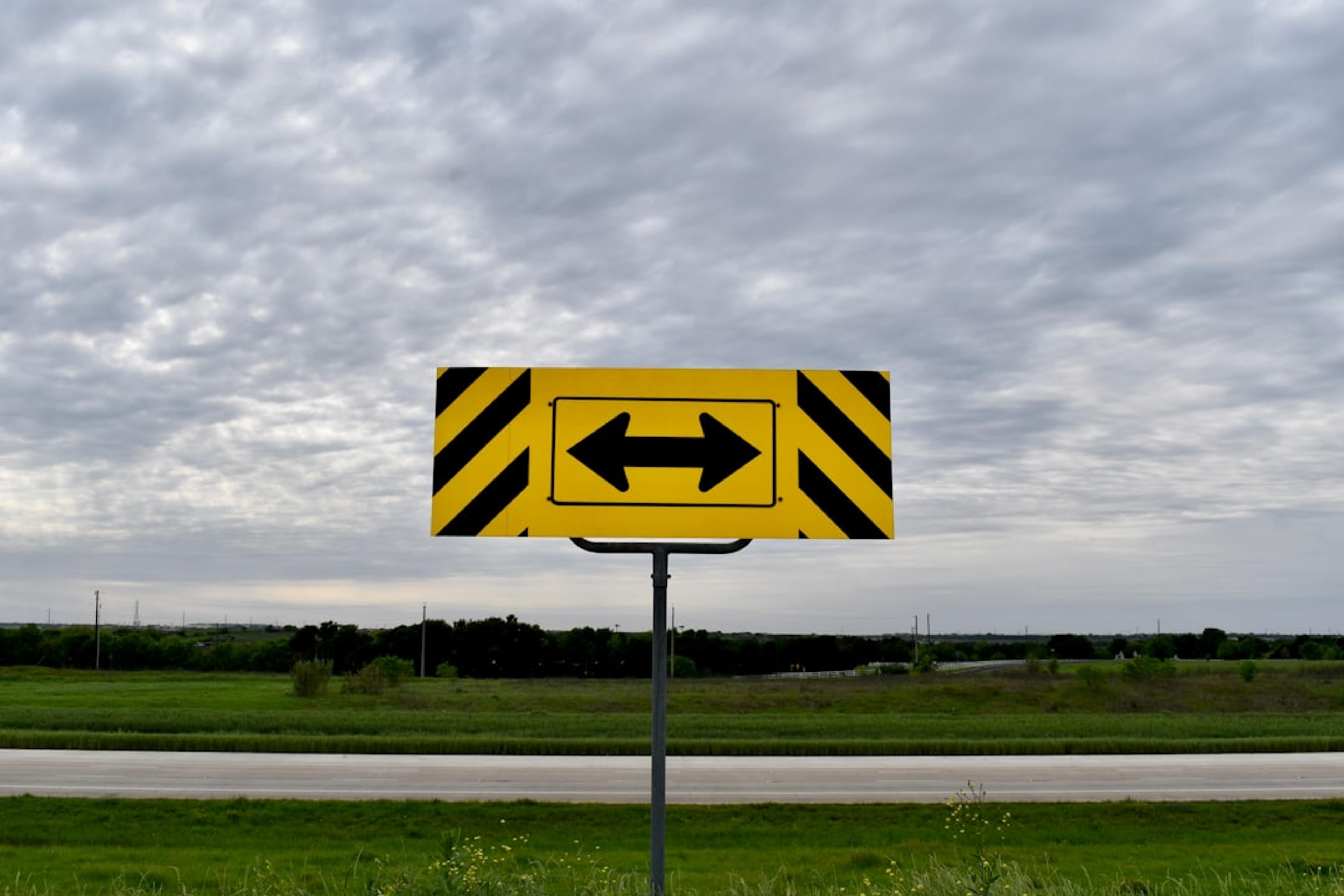
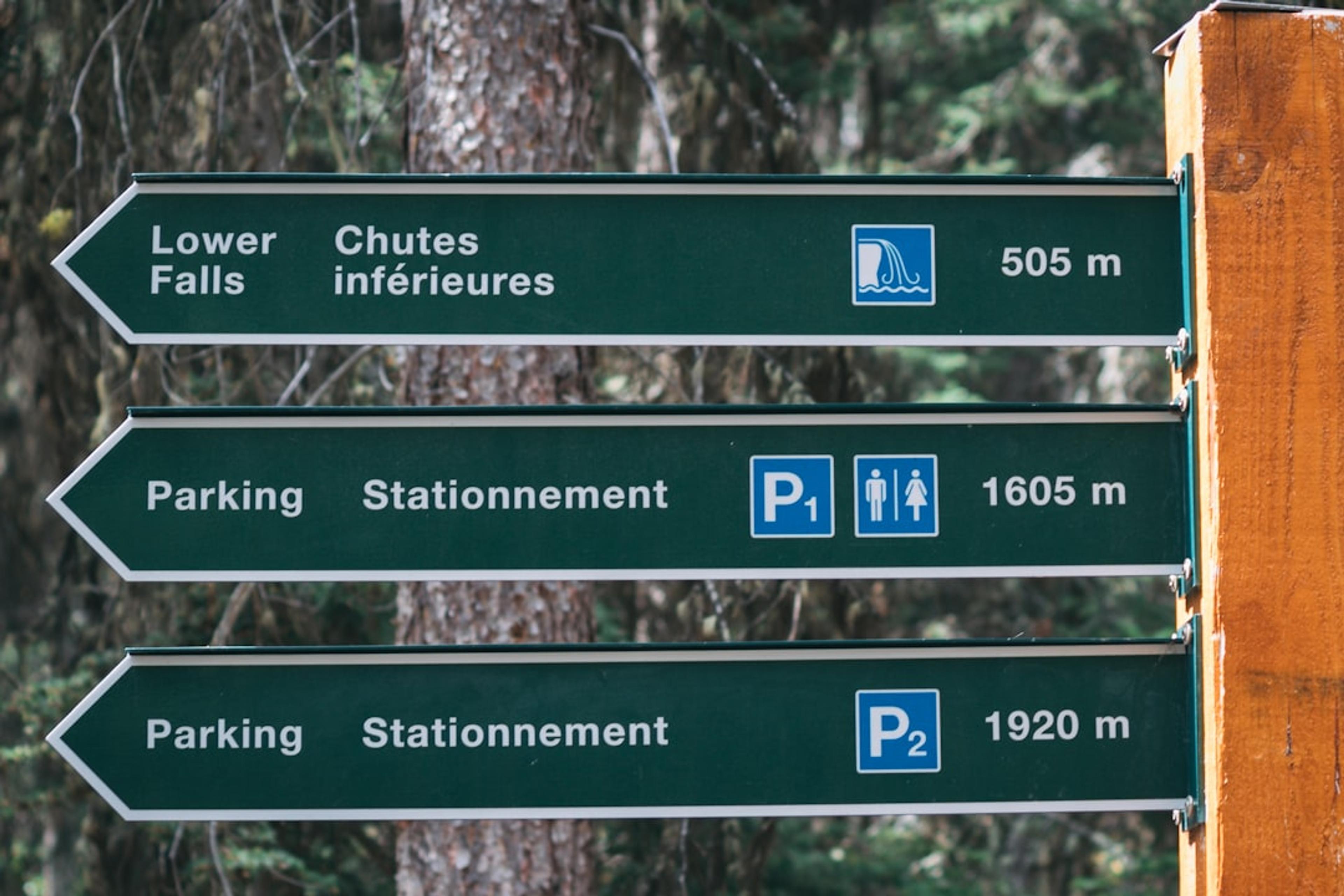
Guide and informational signs provide directions and information to help drivers navigate. These signs are usually rectangular with a green, blue, or brown background. Green signs offer directional guidance, such as route markers and exit signs. Blue signs provide information about services like gas stations, rest areas, and hospitals. Brown signs indicate recreational areas or points of interest. Familiarity with these signs will enhance your ability to navigate roads efficiently and is crucial for long-distance driving.
Understanding exit signs and route markers is particularly important during your driving test. These signs help you stay on course and make necessary lane changes safely. Practice reading and interpreting these signs by taking road trips or using navigation apps that highlight them. This practice will improve your ability to make quick decisions, a skill that is tested during the behind-the-wheel exam.
Enhancing Navigation Skills
To enhance your navigation skills, start by planning routes using maps and identifying key guide signs along the way. This exercise will help you become familiar with the signs you’ll encounter on your test. Utilize GPS technology to reinforce your understanding of guide signs and their corresponding actions. Practicing with a co-driver who can quiz you on signs as you drive can also be beneficial.
Preparing for the Road Test: Best Practices
Preparing for the road test involves more than just memorizing road signs; it's about integrating that knowledge into your daily driving habits. Start by incorporating road sign recognition into every drive, actively looking for and naming signs as you pass them. This practice will help solidify your knowledge and ensure it becomes second nature. Additionally, consider seeking feedback from experienced drivers or instructors who can provide insights and corrections to your approach. Simulating test conditions by driving in various weather and traffic conditions will also enhance your preparedness.
Utilize resources such as DMV practice tests, online quizzes, and interactive road sign games to test your knowledge regularly. These tools can highlight areas where you need improvement and boost your confidence for the actual test. Remember, consistent practice and exposure to different driving scenarios are key to mastering road signs and passing your behind-the-wheel test.
Conclusion: The Road to Success
Understanding and correctly interpreting road signs are fundamental to passing your behind-the-wheel test and becoming a safe, competent driver. By familiarizing yourself with regulatory, warning, and guide signs, and by practicing regularly, you'll be well-prepared to tackle your exam with confidence. Remember, the skills you develop during this preparation will serve you well beyond the test, ensuring safety and efficiency on the road.

