Improving Driving Habits for Safer Roads in Washington

Driving safely is crucial for reducing accidents and ensuring the well-being of everyone on the road. In Washington, enhancing driving habits is particularly important given the diverse driving conditions and varying traffic laws. This article will explore various strategies and practical tips to help you improve your driving habits, leading to safer roads for all. Whether you're a new driver or have years of experience, focusing on improving your driving behavior can make a significant difference. From understanding local traffic laws to adopting defensive driving techniques, we'll cover everything you need to know to become a more conscientious driver in Washington.
Understanding Washington Traffic Laws
One of the first steps in improving your driving habits is familiarizing yourself with Washington's traffic laws. These laws are designed to regulate traffic flow and enhance safety on the roads. For instance, Washington has a strict distracted driving law that prohibits the use of handheld devices while driving. Understanding and adhering to these laws can significantly reduce your risk of accidents. Moreover, knowing the right-of-way rules, speed limits, and the importance of using turn signals can help you navigate complex traffic situations more efficiently. Apps like driverpass.ai can be invaluable resources for familiarizing yourself with these laws through practice tests and quizzes that simulate real DMV exams.
Another key aspect of Washington's traffic laws is the emphasis on pedestrian safety. Drivers must always yield to pedestrians at crosswalks and be vigilant in school zones. Additionally, understanding the consequences of violations, such as fines and points on your license, can further motivate you to maintain good driving habits. By staying informed and practicing these laws regularly, you not only improve your driving habits but also contribute to safer roads for everyone.
Common Traffic Violations in Washington
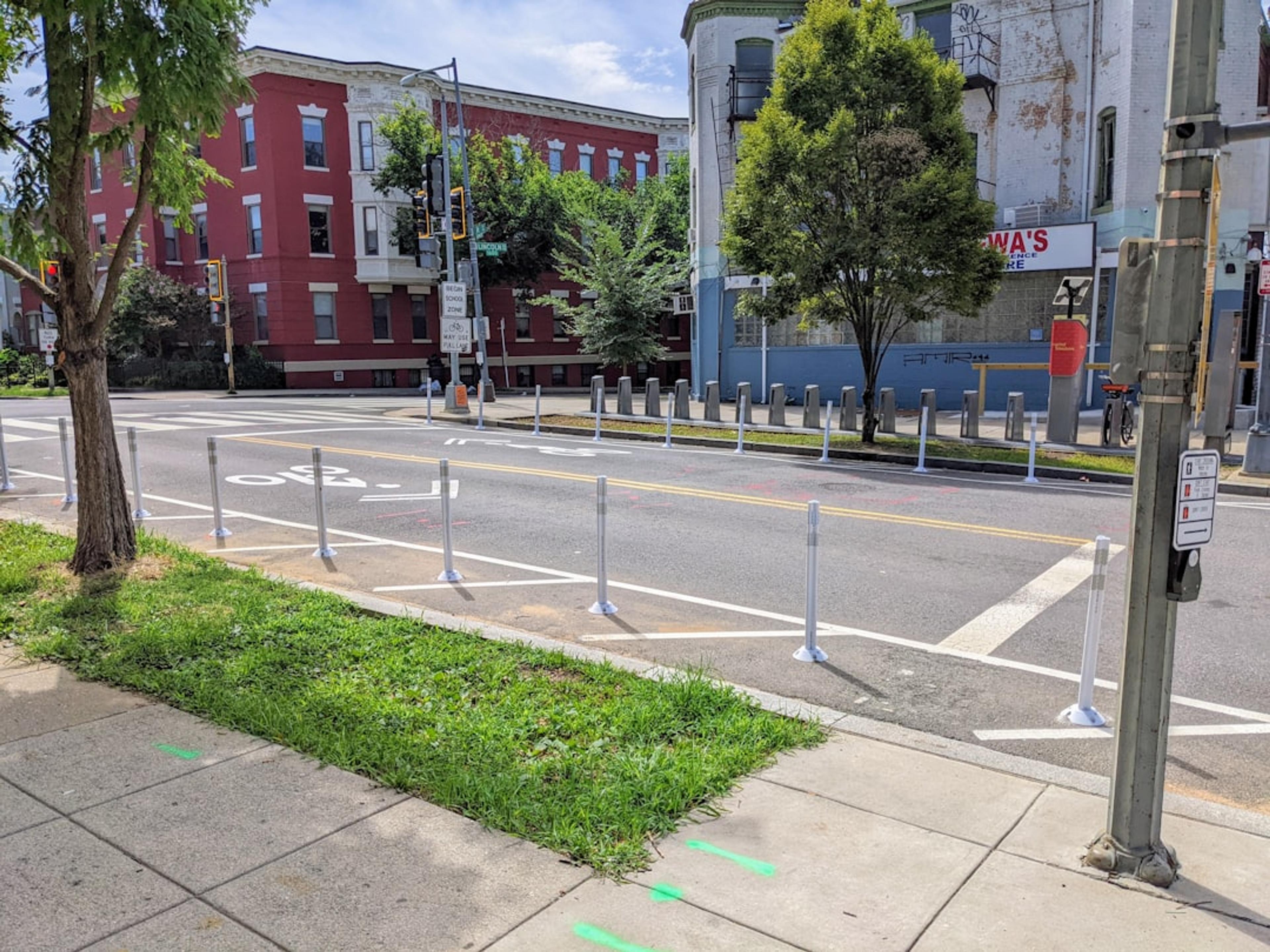
Understanding common traffic violations in Washington can help you avoid making the same mistakes. Speeding is one of the most frequent violations, often leading to accidents and hefty fines. Another common violation is running red lights, which can be extremely dangerous in busy intersections. Additionally, failing to stop for school buses when their stop signs are extended is a serious infraction that can endanger children. By being aware of these common violations and taking proactive steps to avoid them, you can maintain a clean driving record and enhance your overall driving habits.
Adopting Defensive Driving Techniques
Defensive driving is a crucial skill that can significantly improve your safety on the road. It involves being aware of your surroundings, anticipating potential hazards, and making informed decisions to avoid accidents. In Washington, where weather conditions can change rapidly, defensive driving is especially important. Always maintain a safe following distance, adjust your speed according to road conditions, and be prepared for the unexpected. Additionally, staying alert and avoiding distractions can help you react quickly to sudden changes in traffic. Practicing defensive driving not only reduces your risk of accidents but also promotes a smoother traffic flow.
Incorporating defensive driving techniques into your daily routine can also make you a more considerate driver. For instance, signaling your intentions early and yielding to aggressive drivers can prevent road rage incidents. Moreover, being patient and courteous can improve overall traffic conditions, making the roads safer for everyone. Driverpass.ai offers resources and practice scenarios that can help you hone your defensive driving skills, making it easier to implement these techniques in real-life situations.

Reacting to Road Hazards
Part of defensive driving is knowing how to react to road hazards effectively. Whether it's a sudden obstacle, a reckless driver, or adverse weather conditions, being prepared can make all the difference. Always scan the road ahead for potential hazards and have a plan for avoiding them. For instance, if you notice debris on the road, slow down and change lanes safely. In case of severe weather, reduce your speed and increase your following distance to allow for more reaction time. By practicing these habits regularly, you can navigate road hazards more confidently and avoid potential accidents.
Improving Driving Skills Through Education
Continual education is key to maintaining and improving your driving skills. Enrolling in driving courses, either online or in-person, can provide you with new insights and techniques to enhance your driving. Washington offers various defensive driving courses that focus on local traffic laws and road conditions. These courses often include practical sessions that allow you to apply what you've learned in a controlled environment. Additionally, apps like driverpass.ai offer AI-powered practice tests and quizzes that help reinforce your knowledge and prepare you for real-world driving scenarios.
Beyond formal education, self-improvement is also essential. Regularly reviewing the Washington Driver Guide and staying updated with any changes in traffic laws can keep your knowledge current. Practicing good driving habits consistently, such as maintaining a steady speed and using mirrors effectively, can also enhance your skills over time. By committing to lifelong learning and self-improvement, you can ensure that your driving habits remain sharp and safe.
Benefits of Driving Education
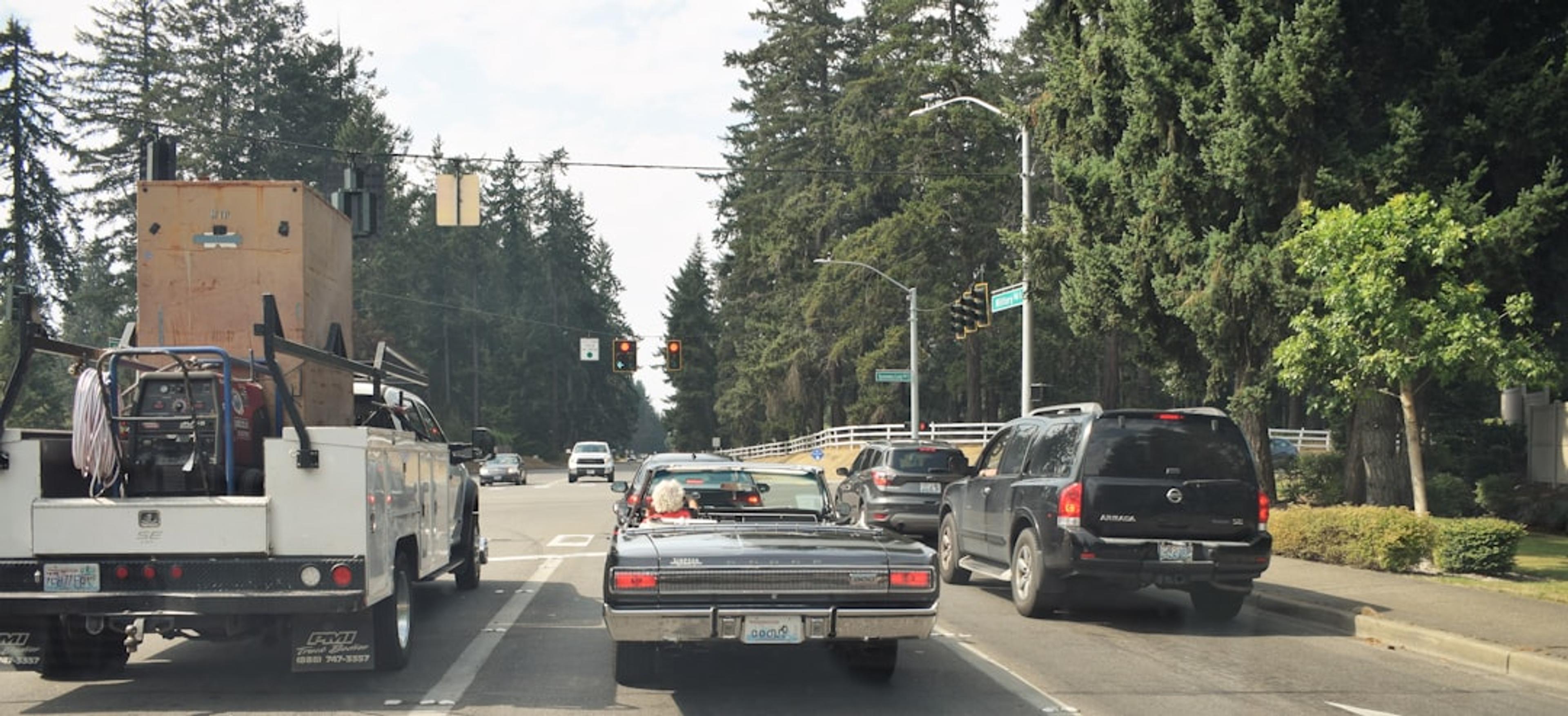
Investing in driving education offers numerous benefits beyond improving your driving skills. It can lead to lower insurance premiums, as insurers often provide discounts to drivers who have completed defensive driving courses. Moreover, being well-educated in driving techniques can reduce your stress levels on the road, as you'll feel more confident in handling various traffic situations. Ultimately, driving education empowers you to become a more responsible and safe driver, contributing to overall road safety in Washington.
Building Positive Driving Habits
Building positive driving habits is crucial for long-term road safety. Consistency is key—practice good habits every time you drive to make them second nature. Start by conducting a pre-drive check to ensure your vehicle is in good condition. Adjust your mirrors, fasten your seatbelt, and remove any distractions before setting off. During your drive, focus on maintaining a steady speed, using turn signals, and observing traffic signals diligently. These small actions, when practiced regularly, can lead to significant improvements in your overall driving habits.
It's also important to reflect on your driving experiences and identify areas for improvement. After each drive, consider what went well and what could be improved. Were there moments of distraction? Did you encounter any challenging situations? By actively analyzing your driving behavior, you can make adjustments and continuously improve. Utilizing tools like driverpass.ai can provide additional practice and feedback, allowing you to refine your habits further. Remember, building positive driving habits is a continuous journey, but the rewards of safer roads and a better driving experience are well worth the effort.
Accountability and Feedback
Holding yourself accountable and seeking feedback are effective ways to improve your driving habits. Consider asking a trusted friend or family member to accompany you on a drive and provide constructive feedback on your driving. Alternatively, you can use technology, such as dash cams or driving apps, to record your driving and review it later. Analyzing these recordings can reveal areas for improvement and help you become more mindful of your driving behavior. By embracing feedback and making necessary adjustments, you can steadily enhance your driving habits and contribute to safer roads.
Conclusion: Commit to Safer Driving
Improving your driving habits is a continuous process that requires dedication and a willingness to learn. By understanding Washington's traffic laws, adopting defensive driving techniques, and committing to ongoing education, you can become a safer and more responsible driver. Remember that every action you take on the road impacts not only your safety but also the safety of others. Utilize resources like driverpass.ai to practice and refine your skills, ensuring you are always prepared for any driving scenario. Together, these efforts contribute to safer roads and a better driving experience for everyone in Washington.

