Understanding Traffic Laws for Electric Vehicles

As electric vehicles (EVs) become more prevalent on the roads, understanding the specific traffic laws applicable to them is crucial for both new and seasoned drivers. These regulations are designed to ensure safety, promote environmental benefits, and support the efficient use of modern technology in transportation. This article delves into the essential traffic laws governing electric vehicles, including charging station etiquette, road safety, and state-specific regulations. Whether you're considering an EV for your next vehicle or are already an owner, knowing these laws will help you navigate the roads confidently and responsibly.
Understanding Charging Station Etiquette
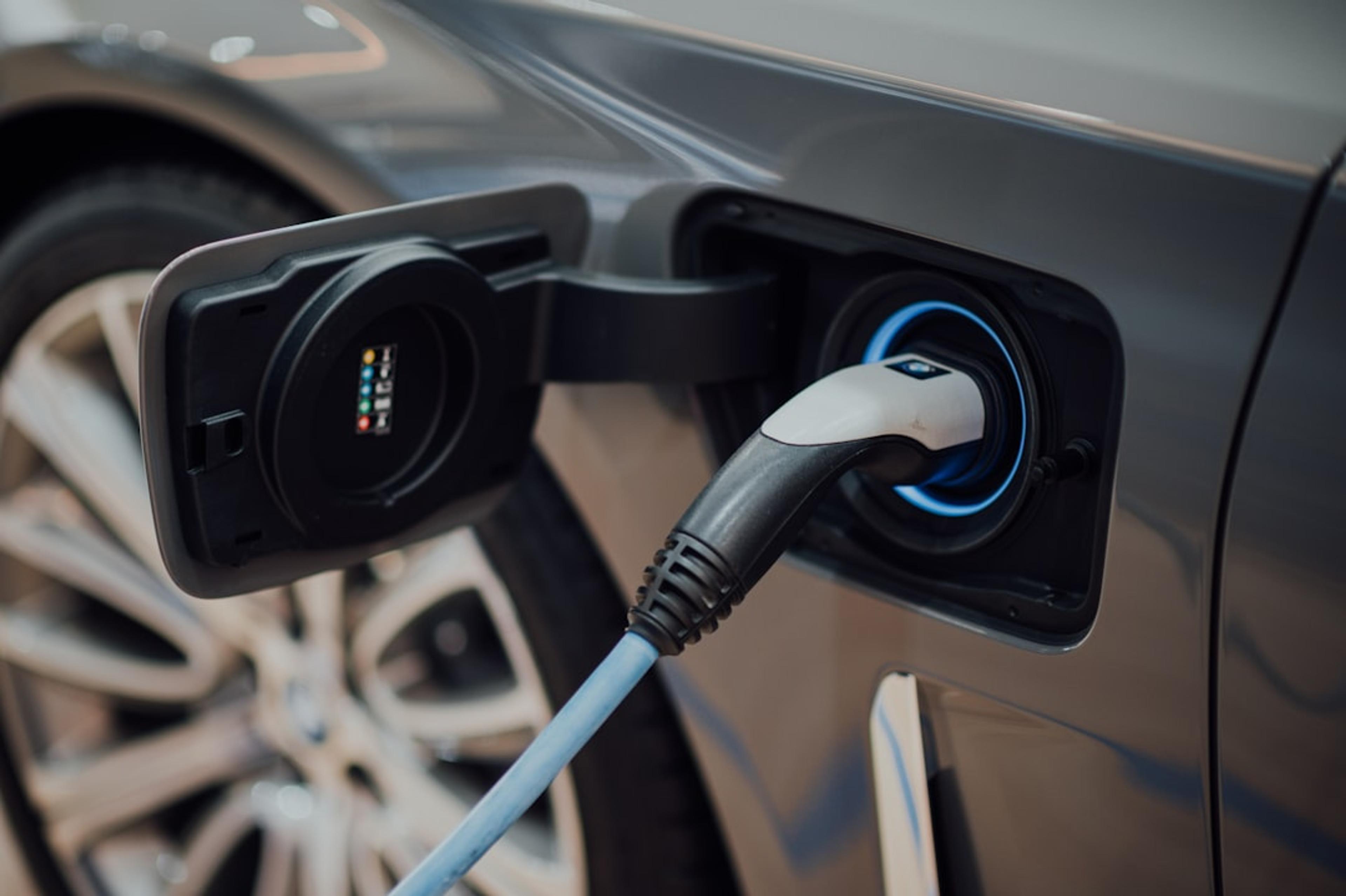
Charging stations are a vital aspect of electric vehicle infrastructure, and understanding the etiquette around their use is essential for all EV drivers. One of the primary rules is to never occupy a charging spot unless you are actively charging your vehicle. This ensures availability for other drivers who may need to charge urgently. Additionally, it's courteous to move your vehicle once it has finished charging, as lingering in a spot can be frustrating for others. Some states have specific laws regarding the use of these stations, such as fines for non-EV vehicles parked in EV charging spots. Being aware of these regulations can help you avoid penalties and promote a cooperative environment among EV users.
When planning long trips, it's important to map out charging stations along your route. Apps like driverpass.ai can be invaluable resources, offering features that help you locate charging stations and plan your journey efficiently. Another critical aspect of charging station etiquette is ensuring that you handle the equipment properly to avoid damage. This means returning the charging cable to its designated holder and reporting any malfunctions to the station operator. By following these guidelines, EV drivers contribute to a smoother, more efficient charging experience for everyone.
State-Specific Charging Laws
Laws regarding electric vehicle charging stations can vary significantly from one state to another. For instance, California has stringent regulations that require new buildings to include a certain number of charging stations, while other states may offer incentives for businesses that install them. It's essential for EV owners to familiarize themselves with the specific laws in their state to take full advantage of these facilities and avoid any legal issues. Researching these regulations can be facilitated by resources like driverpass.ai, which provides access to updated information and practice tests to enhance your understanding of local traffic laws.
Road Safety and Electric Vehicles
Electric vehicles introduce unique considerations for road safety, primarily due to their silent operation and distinct acceleration profiles. One of the key safety laws for EVs is the requirement for artificial noise at low speeds to alert pedestrians and cyclists of the vehicle's presence. This regulation, mandated by the National Highway Traffic Safety Administration (NHTSA), helps prevent accidents in urban areas where pedestrians and cyclists are most common. Additionally, understanding the regenerative braking systems in EVs is crucial for safe driving. Unlike traditional vehicles, EVs can decelerate more rapidly when the driver releases the accelerator, which can be unexpected for drivers unfamiliar with the technology.
Another aspect of road safety involves the use of advanced driver-assistance systems (ADAS) common in many electric vehicles. These systems, such as lane-keeping assist and adaptive cruise control, are designed to enhance safety but require drivers to remain attentive and responsive. Over-reliance on ADAS can lead to complacency, which increases the risk of accidents. Understanding how these systems work and their limitations is vital for safe EV operation. Driverpass.ai offers resources and practice scenarios that can help drivers get accustomed to these technologies, ensuring they are used effectively and safely.

Emergency Procedures for EVs
In the event of an accident or breakdown, electric vehicles require special handling due to their high-voltage battery systems. It's important for EV drivers to know the specific emergency procedures, such as not attempting to move a damaged vehicle if there is visible leakage from the battery. Emergency responders are trained to handle EV incidents, but being informed about the basic safety protocols can make a significant difference in minimizing risk. Familiarizing yourself with these procedures also includes understanding the location of the battery shutoff switch, which can be crucial in an emergency. By taking advantage of comprehensive educational tools like driverpass.ai, drivers can prepare for such situations, ensuring they are ready to handle emergencies safely.
Adapting to Evolving EV Regulations
As the adoption of electric vehicles continues to grow, so too does the regulatory landscape surrounding them. This evolution is driven by a combination of technological advancements, environmental policies, and safety considerations. Staying informed about these changes is crucial for compliance and maximizing the benefits of EV ownership. Many states offer incentives for purchasing electric vehicles, such as tax credits and reduced registration fees, but these benefits often come with specific requirements. Being proactive in learning about these incentives can lead to significant savings and benefits.
Furthermore, as infrastructure for electric vehicles expands, new regulations may emerge, governing everything from the installation of home charging stations to the integration of EVs into carpool lanes. Regularly checking for updates from local DMV offices or using resources like driverpass.ai can help drivers stay ahead of these changes. By leveraging such tools, EV owners can ensure they are compliant with current regulations while also advocating for improvements in the EV ecosystem. This proactive approach not only benefits individual drivers but also contributes to the broader adoption and integration of electric vehicles into society.

Conclusion: Navigating the Future with Confidence
In conclusion, understanding traffic laws specific to electric vehicles is essential for safe and efficient driving. By familiarizing yourself with charging station etiquette, road safety laws, and the evolving regulatory landscape, you can ensure that you are a responsible and informed EV driver. Utilizing resources like driverpass.ai can further enhance your knowledge and preparedness, providing practice tests and up-to-date information that reflect current DMV standards. As electric vehicles continue to shape the future of transportation, staying informed and adaptable will enable you to navigate this exciting new era with confidence.
