Mastering Roundabouts: Rules, Examples, and Parking Tips

Roundabouts are becoming increasingly common across road networks worldwide due to their ability to improve traffic flow and reduce accidents. Understanding how to navigate roundabouts efficiently is crucial for drivers to ensure safety and compliance with traffic laws. This article will guide you through the essential rules for roundabouts, provide real-life examples for better understanding, and offer practical parking tips. Whether you're a seasoned driver or preparing for your DMV test, mastering these skills will enhance your driving experience and safety. With tools like driverpass.ai, you can practice these concepts through AI-powered quizzes to prepare yourself thoroughly for the road.
Understanding Roundabouts
Roundabouts serve as an alternative to traditional intersections, minimizing traffic delays and reducing the likelihood of severe collisions. Their design encourages a continuous flow of traffic, eliminating the need for stop signs or traffic lights. Drivers entering a roundabout must yield to traffic already circulating. This system reduces the chances of high-speed collisions, as vehicles move in the same direction at reduced speeds. Understanding the basic rules of roundabouts, like yielding to the left and maintaining the flow of traffic, is essential. For new drivers, resources like driverpass.ai provide digital practice tests that simulate real-world driving scenarios, including navigating roundabouts, ensuring you are well-prepared for your DMV test.
Roundabouts vary in size and complexity, from small neighborhood circles to large multi-lane systems. Each type requires specific navigation techniques. For single-lane roundabouts, the approach is straightforward: slow down, yield to traffic on the left, and exit appropriately. Multi-lane roundabouts necessitate more attention. Drivers must select the correct lane based on their intended exit and should avoid lane changes within the roundabout. Proper signaling and awareness of other vehicles are crucial to preventing accidents. Practice scenarios provided by platforms like driverpass.ai can significantly aid in understanding these complexities.

Common Mistakes to Avoid
One common mistake in roundabouts is entering too quickly. Drivers should always decelerate as they approach, allowing for a clear view of oncoming traffic. Another error is failing to signal when exiting, which can confuse other drivers about your intentions. Additionally, not yielding to pedestrians at crosswalks can lead to dangerous situations. Practicing these scenarios using driverpass.ai allows drivers to familiarize themselves with proper roundabout etiquette, reducing the likelihood of errors when on the road.
Examples of Roundabout Navigation
Let's explore some examples to illustrate effective roundabout navigation. Consider a single-lane roundabout: as you approach, slow down and look to your left. Once there's a safe gap, enter the roundabout and proceed to your exit without stopping. For multi-lane roundabouts, the process is similar but requires lane discipline. Choose your lane based on the exit you need; stay in the left lane for left turns or U-turns, and the right lane for right turns or straight exits. Avoid changing lanes within the roundabout. Using driverpass.ai, you can simulate these scenarios, practicing lane selection and signaling to build confidence and competence.
Roundabouts in urban areas often have additional features such as pedestrian crossings and bike lanes. In these situations, it's crucial to remain alert and yield to non-vehicular traffic. Urban roundabouts also tend to have clearer signage to guide drivers. Familiarity with these signs and markings is essential for safe navigation. Driverpass.ai offers practice tests that include questions on recognizing and interpreting these features, enhancing your understanding and preparation for real-world driving.

State-Specific Roundabout Regulations
Different states may have specific rules regarding roundabouts that drivers need to be aware of. For instance, some states prioritize pedestrian crossings over vehicle flow, requiring drivers to stop completely if a pedestrian is present. Others might have different rules regarding the use of signals when exiting. Understanding these variations is crucial for compliance and safety. Driverpass.ai provides state-specific practice tests that can help you familiarize yourself with these unique regulations, ensuring you're prepared no matter where you drive.
Parking Rules Near Roundabouts
Parking in the vicinity of roundabouts requires careful consideration to avoid obstructing traffic flow and ensuring pedestrian safety. Generally, parking is prohibited within a specific distance from the roundabout itself, typically to ensure that visibility is not compromised for drivers entering or exiting the circle. Understanding local parking regulations is crucial, as they can vary. For example, parking too close to a roundabout might result in a fine or towing. Checking local signage and regulations is always advised.
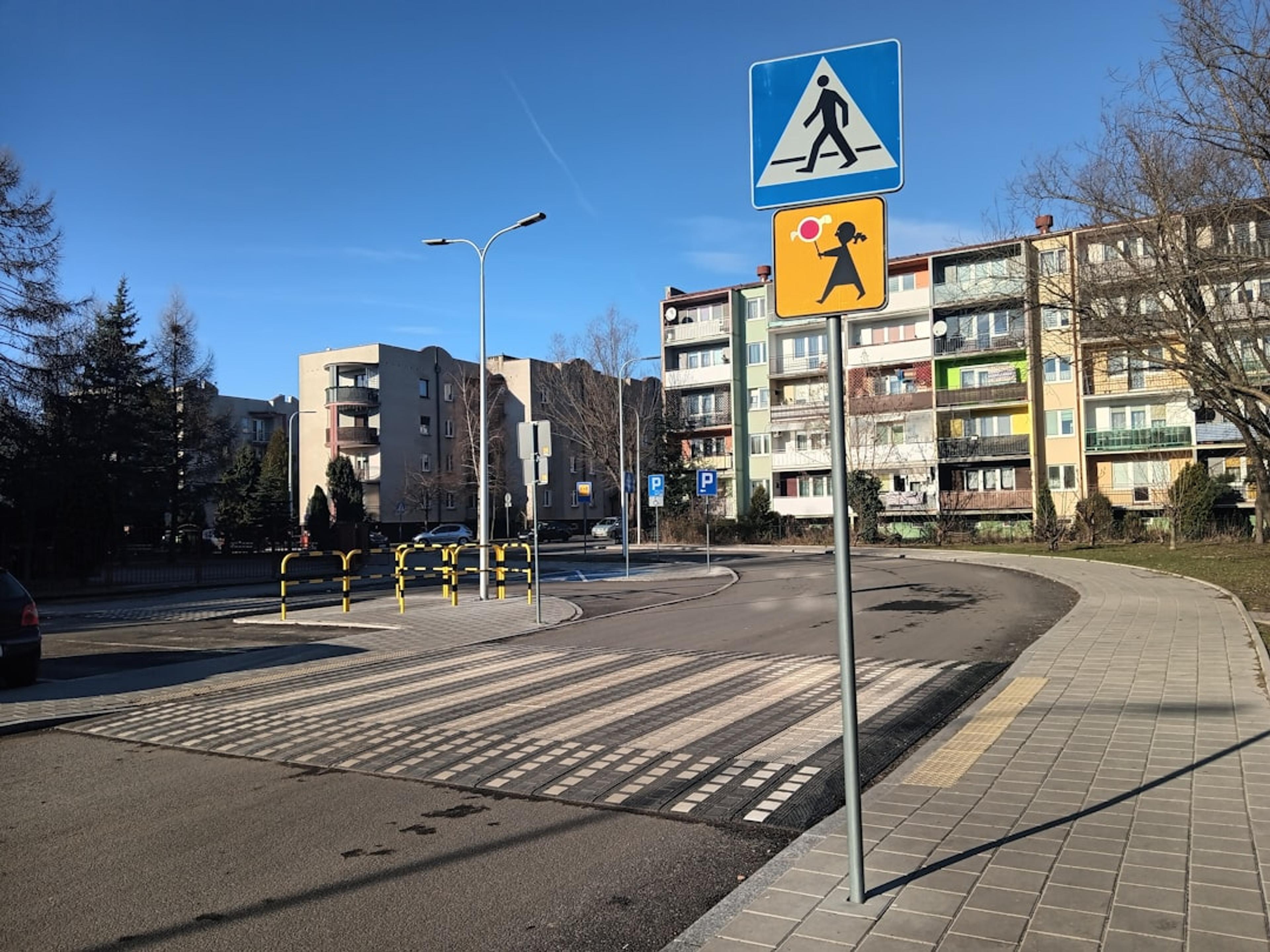
In residential areas, roundabouts may have designated parking zones nearby, but these are often marked with clear signage indicating permissible parking areas. When parking near a roundabout, always ensure that your vehicle does not block pedestrian crossings or bike lanes, as this can lead to fines and safety hazards. Driverpass.ai can help you learn about these parking rules through detailed guides and practice questions, ensuring that you are always compliant with local laws.
Conclusion: Navigating Roundabouts with Confidence
Mastering roundabouts involves understanding the rules, practicing navigation techniques, and being aware of local parking regulations. By familiarizing yourself with these aspects, you can enhance your safety and efficiency on the road. Resources like driverpass.ai offer invaluable tools for practicing these concepts, providing simulated tests and quizzes that prepare you for real-life driving and DMV exams. With consistent practice and awareness, you can navigate roundabouts with confidence, contributing to safer and more efficient traffic flow.

