Understanding Road Signs for Electric Vehicles by 2026

With the advent of electric vehicles (EVs), the driving landscape is evolving rapidly. As more drivers switch to EVs, understanding the road signs specific to these vehicles becomes crucial. This guide explores current and future road signs related to electric vehicles, preparing you for what's ahead by 2026. Whether you're a new driver or an experienced one, grasping these changes is essential for safe and compliant driving. We'll delve into existing road signs, anticipated updates, and how tools like driverpass.ai can assist you in mastering these concepts.
Current Road Signs for Electric Vehicles
Electric vehicles have specific road signs that cater to their unique needs. These signs include charging station indicators, reserved parking for EVs, and low-emission zone markers. Understanding these signs is vital as they ensure that EV drivers can locate necessary services efficiently and adhere to environmental regulations. Charging stations are often marked with a distinct symbol, usually featuring a plug or a lightning bolt, making it easy for drivers to identify them. Reserved parking for EVs is another crucial sign, typically located near charging stations, ensuring that EVs have priority access to necessary infrastructure.
Low-emission zones are becoming more prevalent in urban areas to curb pollution. These zones are marked by signs indicating the requirement for low or zero-emission vehicles, like EVs, to enter. As cities work towards reducing their carbon footprint, these zones are expected to expand, making it essential for drivers to recognize and comply with these signs. Apps like driverpass.ai can help you familiarize yourself with these signs through practice tests that simulate real-world scenarios, ensuring you're well-prepared for any driving situation.

Common Mistakes with EV Road Signs
A common mistake among new EV drivers is misinterpreting road signs that are specific to electric vehicles. For instance, mistaking general parking signs for EV reserved spots can lead to fines or towing. Another error is failing to recognize low-emission zone signs, which might result in penalties. To avoid these pitfalls, it's important to study and understand the nuances of these signs. Engaging in regular practice using driverpass.ai can significantly reduce such errors by providing interactive learning tools and quizzes tailored to electric vehicle regulations.
Anticipated Changes by 2026
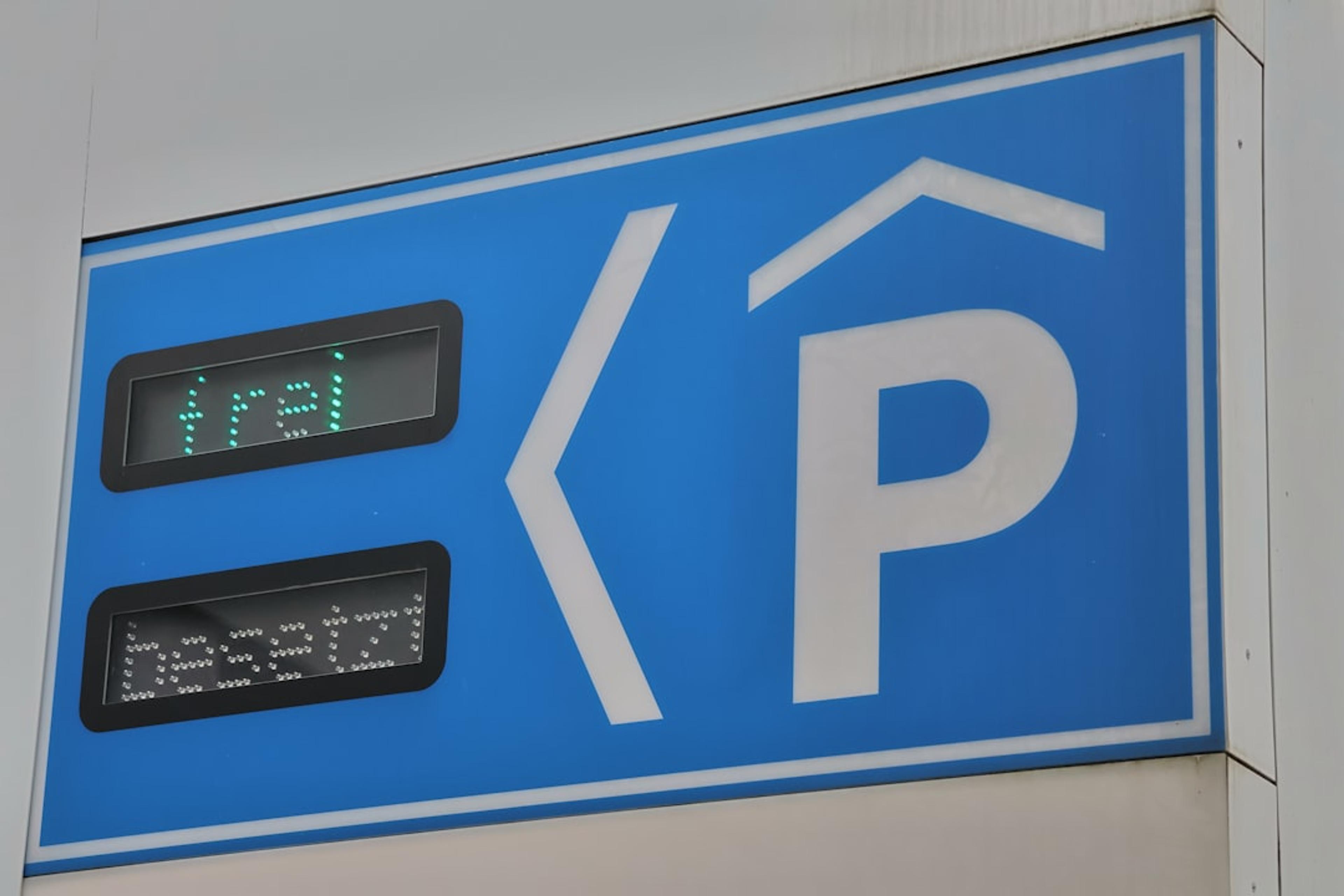
As we approach 2026, the infrastructure for electric vehicles is expected to undergo significant changes. Governments worldwide are investing in expanding the network of charging stations, which means more road signs will be introduced to guide drivers to these new facilities. Additionally, the increase in EV adoption will likely lead to more signage related to EV lanes, which are exclusive to electric vehicles and often found in high-traffic areas to promote efficient commuting.
To accommodate the growing number of electric vehicles, road signs will need to be updated and standardized across different states and countries. This may include new symbols or color schemes to make them more recognizable. Such updates will require drivers to stay informed and adapt to these changes. Driverpass.ai will continue to update its resources to reflect these developments, providing users with the most current practice tests and educational material to ensure they're ready for the road ahead.
Preparing for New Signage
Preparing for new road signage involves staying informed about legislative changes and being proactive in learning about new symbols as they are introduced. Engaging with resources like driverpass.ai can be beneficial, as it offers AI-powered quizzes and practice tests that are regularly updated. These tools can help you identify and understand new signs quickly, reducing the learning curve and ensuring compliance with new regulations.
Integrating Technology and Driving Education
Technology plays a pivotal role in modern driving education, especially as we transition to electric vehicles. Interactive tools and apps are becoming essential resources for drivers looking to stay updated on road signs and regulations. Driverpass.ai, for instance, provides a comprehensive platform where users can engage with AI-powered practice tests that mimic real DMV exams. These tools offer an adaptive learning experience, allowing users to focus on areas where they need improvement.
Incorporating technology into driving education not only enhances learning but also ensures that drivers are prepared for future changes. As road signs and traffic regulations evolve, having access to a platform that updates its content in real-time is invaluable. This approach ensures that drivers can confidently navigate the roads, equipped with the knowledge of both current and forthcoming road sign regulations.
Conclusion
Understanding the road signs for electric vehicles is crucial as we move towards a more sustainable future. By 2026, significant changes in signage are expected, and staying informed will be key to compliance and safety. Utilizing resources like driverpass.ai can enhance your understanding through practical, AI-driven exercises. As the infrastructure and regulations for electric vehicles continue to evolve, being proactive in your learning will ensure that you remain a responsible and informed driver.
