Mastering Vehicle Handling for Safe Driving in PA

Driving safely in Pennsylvania requires not just following traffic rules but also mastering vehicle handling. Whether you're navigating the bustling streets of Philadelphia or the scenic routes of the Poconos, understanding how to properly handle your vehicle is crucial. This involves knowing how to react to different weather conditions, understanding the mechanics of your car, and being aware of your surroundings. This article provides a comprehensive guide to vehicle handling, ensuring you drive safely and confidently across Pennsylvania.
Understanding Vehicle Dynamics
Vehicle dynamics refer to how your car behaves on the road, influenced by factors such as speed, road conditions, and vehicle design. To master vehicle handling, it's essential to understand these dynamics. For instance, when you accelerate, the weight of your car shifts to the rear wheels, affecting traction. Conversely, braking shifts weight to the front wheels. Understanding these shifts helps you maintain control, especially in emergency situations. Additionally, knowing your vehicle's turning radius and how it responds to steering inputs can prevent mishaps on tight corners or narrow roads. Apps like driverpass.ai can help you practice these concepts through simulated driving scenarios and quizzes.
Another aspect of vehicle dynamics is tire management. Ensure your tires are in good condition, properly inflated, and have adequate tread. This not only enhances handling but also improves fuel efficiency and safety. Regularly check your tire pressure, especially before long trips or when the weather changes. Proper tire maintenance can be the difference between a controlled stop and a skid in wet conditions.
The Role of Suspension and Steering
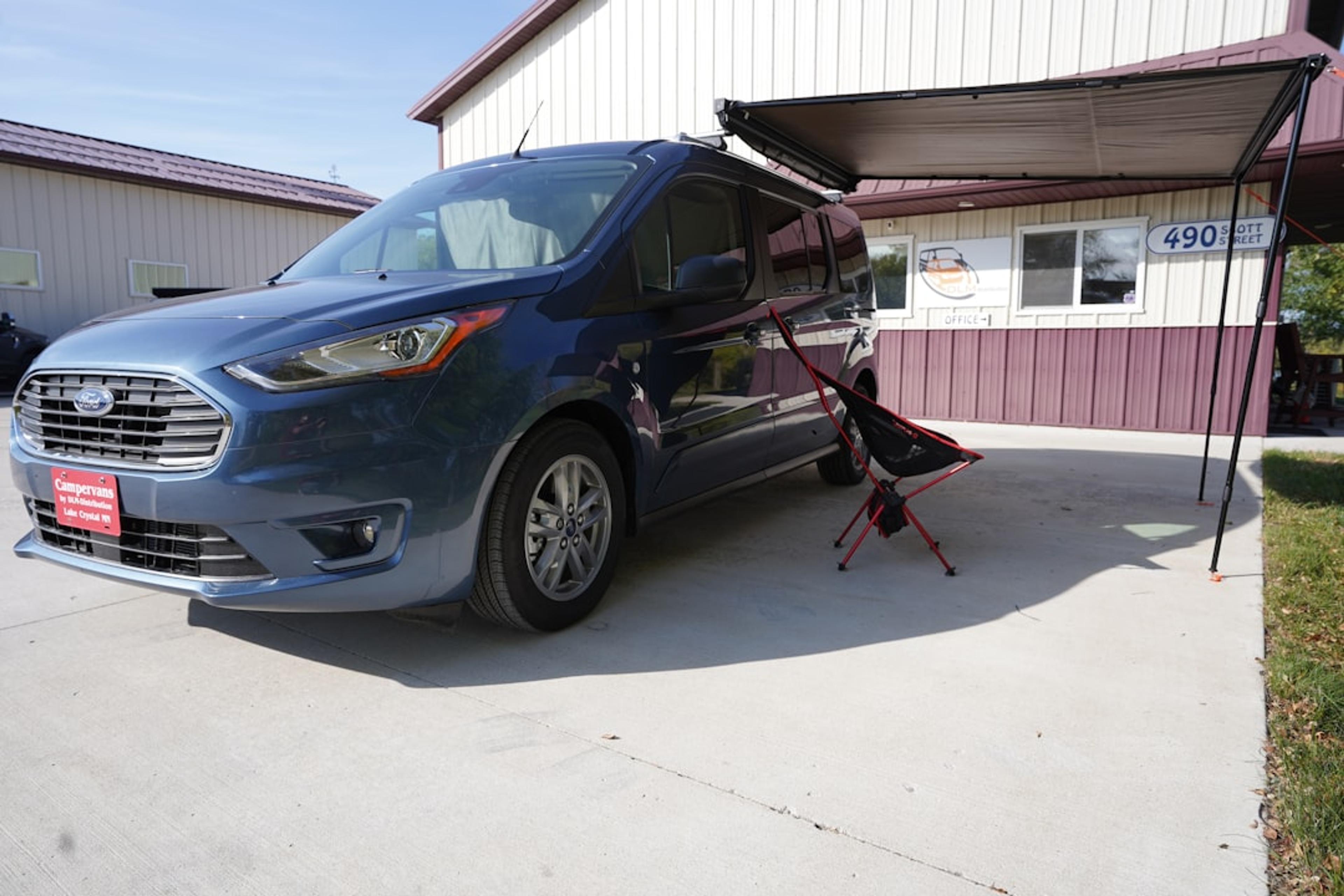
The suspension system helps absorb shocks from the road, providing a smoother ride and maintaining tire contact with the road surface. A well-maintained suspension system is crucial for vehicle handling, as it allows you to navigate bumps and potholes with ease. Similarly, the steering system should be responsive and free of play. Any looseness in the steering wheel can lead to delays in vehicle response, which is critical in avoiding hazards. Regular maintenance checks, as recommended by your vehicle manufacturer, can prevent these issues and ensure your car handles as expected.
Adapting to Weather Conditions
Pennsylvania's diverse weather conditions can pose challenges to even the most experienced drivers. Rain, snow, and fog can drastically affect visibility and road traction. To handle your vehicle safely, it's important to adapt your driving style to the weather. In rainy conditions, for example, reduce your speed and increase your following distance to allow more time to react. Hydroplaning is a risk when roads are wet, so avoid sudden maneuvers. Similarly, in snowy or icy conditions, gentle acceleration and braking are key to maintaining control. Use driverpass.ai to simulate driving in various weather conditions to better prepare for real-life scenarios.
Fog can severely limit visibility, making it difficult to see vehicles ahead or road signs. Use low beam headlights, as high beams can reflect off the fog and reduce visibility further. If visibility becomes too poor, it may be safer to pull over until conditions improve. Always ensure your windshield wipers and defrosters are in good working order, as these are essential for maintaining clear visibility during adverse weather.
Dealing with Unexpected Situations
Unexpected situations, such as sudden obstacles or mechanical failures, test your vehicle handling skills. The key to handling such scenarios is staying calm and taking appropriate action. For instance, if you experience a tire blowout, maintain a firm grip on the steering wheel and gradually slow down without abrupt braking. Once you regain control, safely pull over to the side of the road. Regular practice, such as through simulated tests on driverpass.ai, can help you prepare for these unexpected events by reinforcing proper response techniques.
Enhancing Driving Skills through Practice
Mastering vehicle handling requires continuous practice and learning. Familiarize yourself with your vehicle's features, such as anti-lock braking systems (ABS) and traction control, and understand how they aid in vehicle handling. Participate in defensive driving courses to sharpen your skills and learn new techniques. These courses often provide practical sessions where you can experience handling challenges in a controlled environment.
Utilizing resources such as driverpass.ai can significantly enhance your preparation. The platform offers AI-powered practice tests that mirror the real DMV exams, helping you familiarize yourself with the types of questions and scenarios you may encounter. By integrating practice into your routine, you can build muscle memory that aids in vehicle handling, making you a more competent and confident driver.

The Importance of Regular Vehicle Maintenance
Regular vehicle maintenance is pivotal for effective vehicle handling. Ensure routine checks on brakes, tires, lights, and fluid levels. A well-maintained vehicle not only performs better but also provides a safer driving experience. Schedule regular visits to your mechanic for comprehensive inspections, especially before embarking on long journeys. Identifying potential issues early can prevent breakdowns and improve overall vehicle longevity.
Conclusion: Practice and Preparation are Key
In conclusion, mastering vehicle handling is essential for safe driving in Pennsylvania. By understanding vehicle dynamics, adapting to weather conditions, and practicing regularly, you can enhance your driving skills and confidence. Platforms like driverpass.ai offer valuable resources to aid your preparation, ensuring you're well-equipped to handle any situation on the road. Remember, safe driving is a continuous learning process, and the more you practice, the better prepared you'll be for the challenges ahead.

