Mastering Pennsylvania Road Signs for Motorcyclists

Understanding Pennsylvania road signs is crucial for motorcyclists aiming to pass their 2026 permit test and ride safely. Motorcycles are more vulnerable on the road, making it essential to recognize and respond correctly to various road signs. This guide will delve into the types of road signs you need to know, provide tips on how to study them effectively, and highlight common mistakes to avoid. Additionally, we'll explore how resources like driverpass.ai can enhance your preparation with tailored practice tests.
Importance of Road Signs for Motorcyclists
Road signs are an integral part of driving, providing essential information to ensure safety and smooth traffic flow. For motorcyclists, who may be harder to see on the road, understanding these signs is even more critical. They need to quickly interpret signs to make safe decisions, especially at high speeds. Recognizing warning signs, regulatory signs, and guide signs can prevent accidents and ensure compliance with traffic laws. For instance, a motorcyclist must be aware of signs indicating sharp turns, slippery roads, or merging traffic to adjust their speed and position accordingly.
To effectively learn road signs, motorcyclists should engage in regular practice. Flashcards are a useful tool for memorizing the meanings and appearances of different signs. Additionally, interactive quizzes and practice tests, such as those available on driverpass.ai, can simulate real test scenarios, helping learners gauge their understanding and readiness. It's also beneficial to observe signs during rides, noting how they influence driving behavior and decision-making in real time.
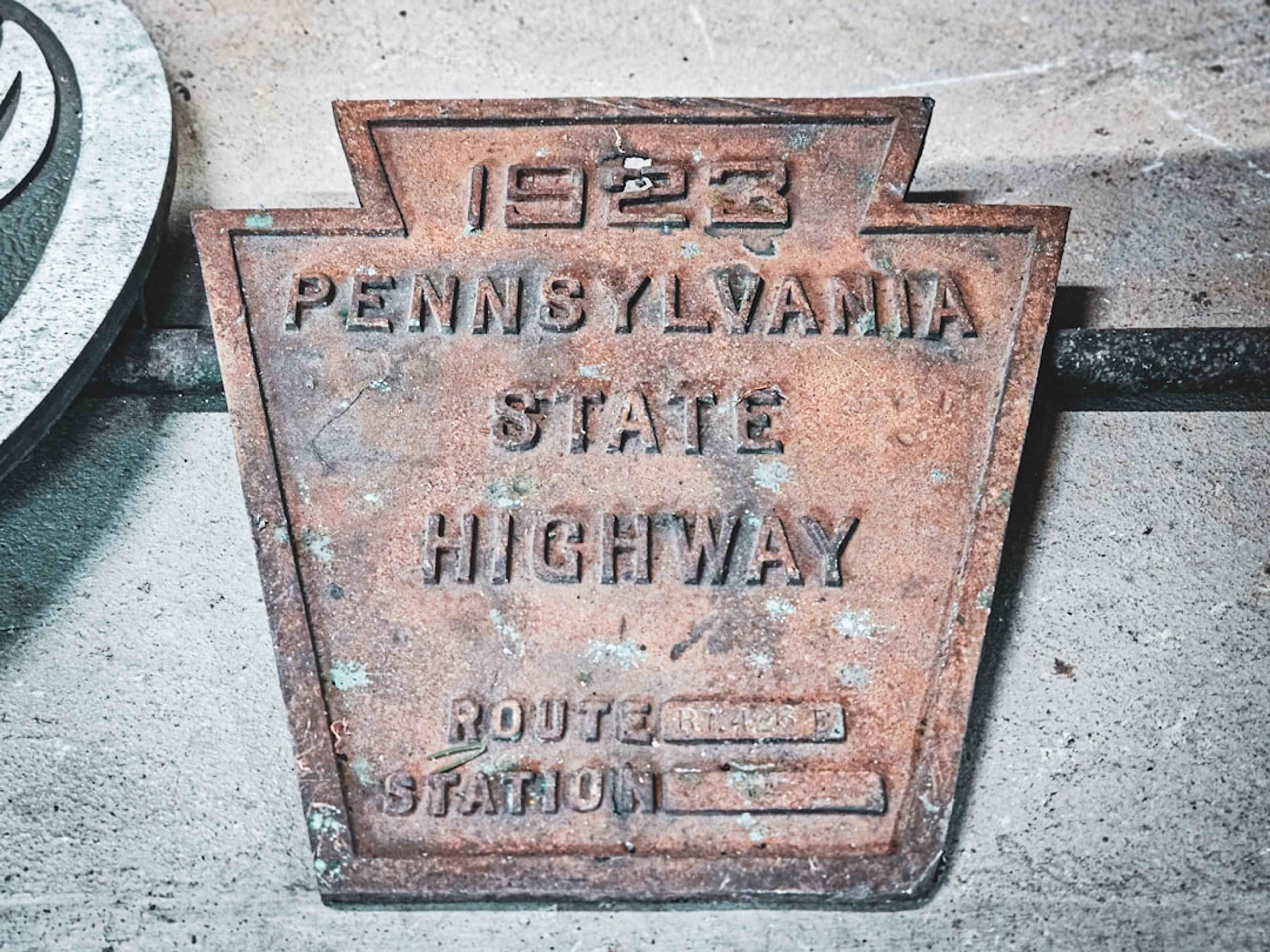
Types of Road Signs Motorcyclists Must Know
In Pennsylvania, road signs are categorized into three main types: regulatory, warning, and guide signs. Regulatory signs, such as stop signs and speed limit signs, are crucial for maintaining legal compliance. Warning signs alert drivers to potential hazards or changes in road conditions, like steep inclines or animal crossings. Guide signs provide directional and mileage information to assist with navigation. Each type of sign has specific shapes, colors, and symbols that motorcyclists must memorize and understand.
A common challenge for new motorcyclists is recognizing the subtle differences between similar signs. For example, a no-entry sign and a no-turn sign might appear similar but convey different instructions. To overcome this, focus on the color and shape cues: regulatory signs are typically red or white, warning signs are yellow or orange, and guide signs are green or blue. Practice identifying these features as you ride, and use resources like driverpass.ai to test your knowledge through AI-powered quizzes that adapt to your learning pace.

Pro Tips for Memorizing Road Signs
One effective method to memorize road signs is by associating them with real-world scenarios. For instance, visualize a yield sign at a busy intersection and consider the actions you would take as a motorcyclist. Repetition is key, so review signs regularly and test yourself periodically. Create a study schedule that includes daily reviews of different sign categories. Additionally, practice sign recognition during rides, taking note of how they integrate into the driving environment. This practical application reinforces memory and understanding.
Common Mistakes and How to Avoid Them
Misinterpreting road signs is a common error among motorcyclists, often due to distractions or lack of practice. A frequent mistake is confusing the meanings of similar-looking signs, which can lead to incorrect actions. To prevent this, focus on the details of each sign, such as color, shape, and symbols. Pay attention to placement and context, as signs are strategically located to provide timely information. Regular practice tests on platforms like driverpass.ai can help reinforce correct interpretations and improve recognition accuracy.
Another mistake is neglecting to adjust riding behavior based on sign information. For example, failing to reduce speed in response to a warning sign about sharp curves can increase the risk of accidents. Always be proactive in responding to signs, allowing ample time to adjust speed, lane position, or route. By building a habit of prompt and appropriate reactions to road signs, motorcyclists can enhance their safety and confidence on the road.

Leveraging Technology for Practice
Technology offers innovative solutions for mastering road signs, with apps like driverpass.ai providing interactive learning experiences. These platforms offer customizable practice tests that mimic the DMV exam environment, allowing users to practice under realistic conditions. The AI-driven approach adapts to individual learning styles, offering targeted feedback and suggesting areas for improvement. With access to a vast database of questions and scenarios, motorcyclists can reinforce their knowledge and boost their confidence ahead of the test.
Incorporating technology into your study routine can also make learning more engaging and efficient. Use features like progress tracking to monitor your improvement over time. Interactive elements, such as quizzes and flashcards, keep the learning process dynamic and enjoyable. By integrating these tools into your preparation strategy, you can ensure comprehensive coverage of all necessary road signs and increase your chances of success on the permit test.

Conclusion
Mastering Pennsylvania's road signs is a vital step for motorcyclists aiming to pass their permit test and ride safely. Through consistent practice and effective study strategies, such as using driverpass.ai's comprehensive resources, motorcyclists can enhance their understanding and confidence. Remember to incorporate real-world observations into your learning and avoid common pitfalls by staying focused and proactive. With the right preparation, you'll be well-equipped to navigate Pennsylvania's roads safely and successfully.
