Understanding Flashing Yellow Lights in Florida

Driving through intersections can be one of the most challenging aspects of operating a vehicle, especially when faced with flashing yellow lights. In Florida, these signals are crucial for maintaining a smooth flow of traffic and ensuring the safety of all road users. Understanding the rules surrounding flashing yellow lights, as well as the best practices for approaching them, is essential for any driver. This article will guide you through the significance of flashing yellow traffic lights in Florida, providing you with actionable tips and insights to improve your driving skills. By the end of this guide, you'll have a solid understanding of how to handle these signals confidently and safely, with the help of resources like driverpass.ai offering additional support.
What Do Flashing Yellow Lights Mean?
Flashing yellow lights are designed to alert drivers to proceed with caution, indicating that they should slow down and be extra vigilant. Unlike a solid yellow light, which warns of an impending red light, a flashing yellow light doesn't require you to stop unless necessary. Instead, it serves as a warning to watch for potential hazards or changes in traffic conditions. These lights are often found at intersections, pedestrian crossings, or areas where visibility might be compromised. It's crucial to understand that while a flashing yellow light allows you to proceed, it demands heightened awareness and readiness to yield to other vehicles or pedestrians if needed.
When approaching a flashing yellow light, it's important to reduce your speed and ensure you're in control of your vehicle. Look out for other vehicles that may have the right of way, such as those approaching from the left or right. Additionally, be prepared to stop if the situation demands it, especially if pedestrians are crossing or emergency vehicles are approaching. Remember, safety is the priority, and being cautious can prevent accidents and ensure a smooth flow of traffic.

Common Scenarios with Flashing Yellow Lights
Flashing yellow lights can appear in various scenarios, each requiring specific actions from drivers. For instance, at a pedestrian crossing, a flashing yellow light means you should slow down and be ready to stop if people are crossing the road. At intersections, these lights often indicate that drivers from other directions may have a flashing red light, requiring them to stop and yield to you. However, it's crucial to be aware of any signage or road markings that might alter this general rule. In construction zones, flashing yellow lights often signal that workers are present, requiring extra caution and reduced speed. By understanding these scenarios and practicing them, such as through driverpass.ai's simulations, you can enhance your readiness and reaction times.
Best Practices for Navigating Flashing Yellow Lights
To navigate flashing yellow lights effectively, it's important to adopt certain best practices that prioritize safety and compliance with traffic laws. Firstly, always maintain a safe following distance to allow for sudden stops or changes in traffic conditions. This is crucial when approaching intersections with limited visibility. Secondly, anticipate the actions of other drivers, especially at busy intersections where flashing yellow lights are common. Being aware of your surroundings and predicting potential hazards can significantly reduce the risk of collisions.
Additionally, ensure your vehicle's lights and signals are functioning correctly, as they play a vital role in communicating your intentions to other road users. In low-visibility conditions, such as fog or heavy rain, use your headlights to increase your visibility to others. Lastly, practice defensive driving techniques by staying alert and minimizing distractions inside the vehicle. Resources like driverpass.ai can assist you in honing these skills through interactive practice tests and real-world scenarios, preparing you for any situation on the road.
Dealing with Complex Intersections
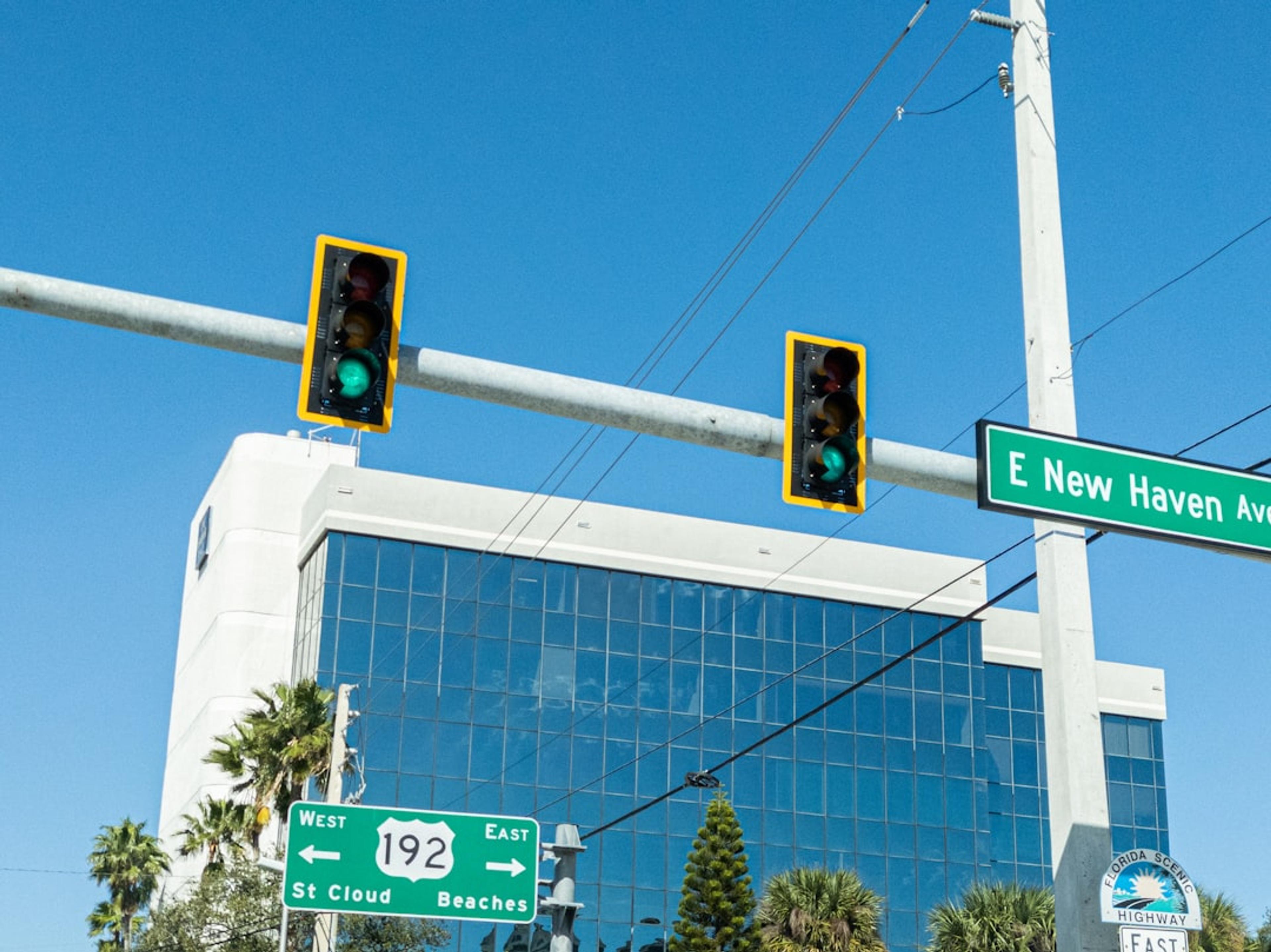
Complex intersections with multiple lanes and traffic signals can be daunting, especially when flashing yellow lights are involved. In these situations, it's crucial to stay calm and patient. Begin by identifying your intended path and the signals that apply to your direction of travel. Pay close attention to road signs and markings that may alter the standard rules, such as yielding to oncoming traffic. Communicate your intentions early by using your turn signals well in advance of any lane changes or turns. By practicing these strategies, you can navigate complex intersections with confidence and precision.
Florida-Specific Traffic Rules and Regulations
In Florida, understanding state-specific traffic rules is essential for safe driving, especially when dealing with flashing yellow lights. Florida law requires drivers to yield to pedestrians at crosswalks, even when faced with a flashing yellow light. This means you should always be prepared to stop if pedestrians are present. Additionally, Florida's 'Move Over' law mandates that drivers move over a lane or slow down significantly when approaching emergency vehicles or construction areas with flashing lights. This law is designed to protect roadside workers and emergency responders from accidents, making adherence crucial for safety.
Florida's traffic laws also emphasize the importance of maintaining a safe driving speed. When approaching flashing yellow lights, reduce your speed to a level that allows you to react appropriately to any changes in traffic conditions. This is particularly important in areas with high pedestrian activity or during adverse weather conditions. For new drivers or those unfamiliar with Florida's traffic laws, utilizing practice resources like driverpass.ai can be invaluable. These tools offer tailored quizzes and scenarios to reinforce your understanding and prepare you for real-life driving situations.
Key Differences in Traffic Signals
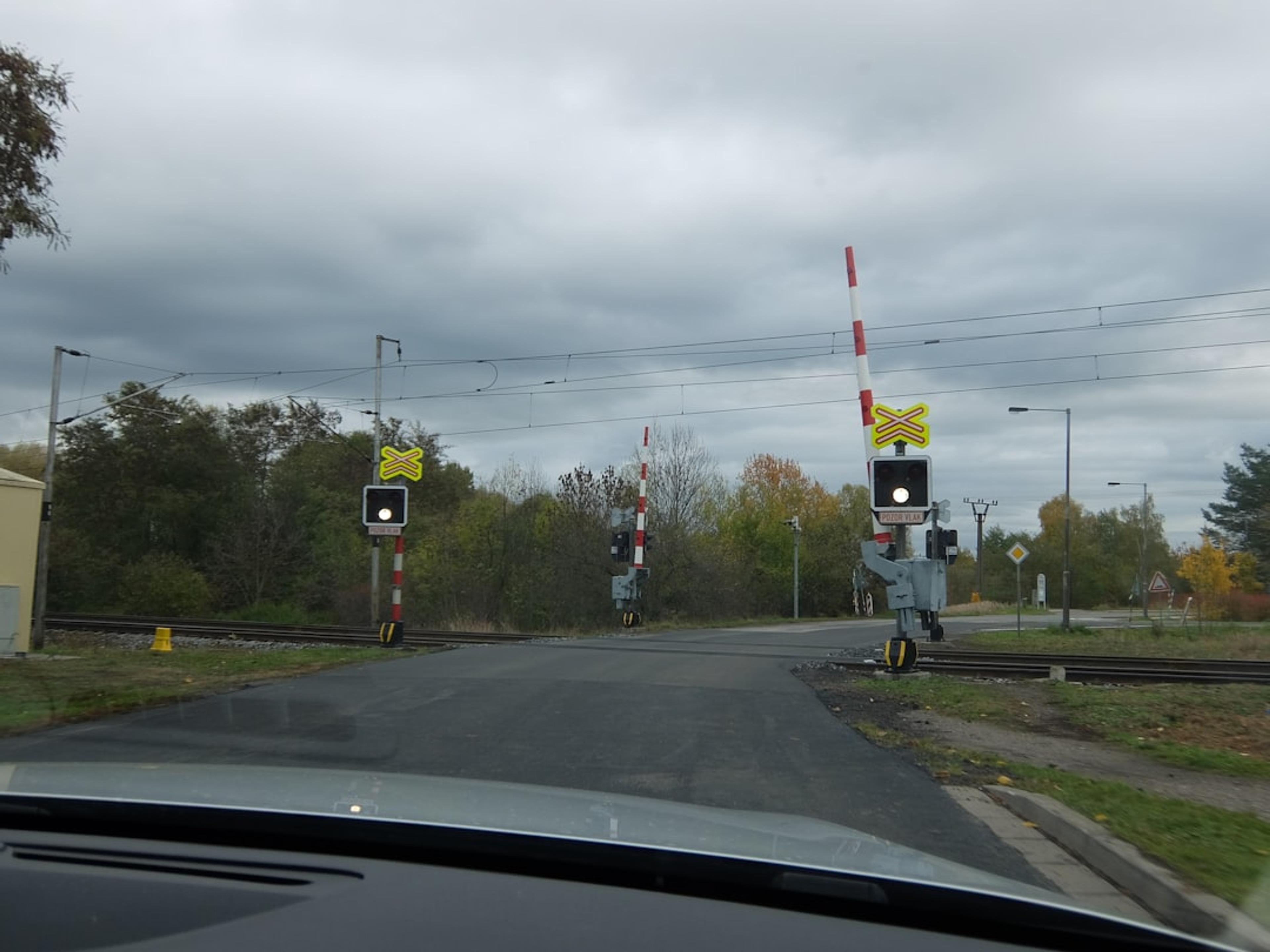
While flashing yellow lights generally have a consistent meaning across the United States, it's important to recognize that some nuances may exist based on local laws or specific traffic setups. In Florida, for instance, school zone signals may utilize flashing yellow lights to indicate reduced speed limits during school hours. Understanding these key differences and paying attention to any additional signage is crucial for compliance and safety. Regularly reviewing Florida's traffic rules and participating in updated driver education programs, like those offered by driverpass.ai, can help you stay informed and confident behind the wheel.
Conclusion: Practicing Safe Driving
Navigating flashing yellow lights requires a combination of knowledge, awareness, and practice. By understanding their meaning and implementing best practices, you can ensure a safer driving experience in Florida. Remember to stay informed about state-specific regulations and continuously improve your skills through resources like driverpass.ai. These tools provide valuable practice tests and scenarios to help you master traffic signals and confidently handle any driving situation. As you continue to refine your driving abilities, you'll contribute to a safer road environment for everyone.
