Driving Safely in Heavy Rain: A New Jersey Guide

Driving in heavy rain can be challenging, especially in New Jersey where sudden weather changes are common. Rainy conditions can reduce visibility, create slippery surfaces, and increase stopping distances, making it crucial for drivers to adapt their driving habits. This guide will provide you with essential tips and best practices to ensure safety on the road during heavy rain. Whether you're a new driver or an experienced one, understanding how to handle your vehicle in inclement weather is vital. Additionally, resources like driverpass.ai can help you prepare for these conditions by offering practice tests that simulate real driving challenges you might face in adverse weather.
Understanding the Risks of Driving in Heavy Rain
Driving in heavy rain involves several risks that can endanger you and others on the road. One of the primary challenges is reduced visibility due to rain on the windshield and the spray from other vehicles. This can make it difficult to see road signs, lane markings, or even the vehicle in front of you. Additionally, heavy rain can lead to hydroplaning, where your tires lose contact with the road surface, causing a loss of steering control. Statistics indicate that wet pavement contributes to over 1 million crashes annually in the U.S. To mitigate these risks, it's important to maintain your vehicle’s windshield wipers and tire treads, as these components are critical for maintaining visibility and traction. Apps like driverpass.ai can offer quizzes and tips on how to handle such conditions effectively.
Another significant risk is the possibility of flash flooding, which can occur quickly in heavy rain. Flash floods are particularly dangerous as they can wash away vehicles and pose a serious threat to safety. New Jersey drivers should be aware of flood-prone areas, especially near rivers and low-lying roads. Always heed weather warnings and avoid driving through flooded areas, as just a few inches of water can cause a vehicle to lose control or stall. Practicing defensive driving and remaining alert to changing weather conditions can greatly enhance your safety during heavy rain.

Common Mistakes in Rainy Weather Driving
A common mistake drivers make during heavy rain is speeding. Many underestimate the impact of rain on road traction and visibility, which can result in accidents. It's crucial to reduce your speed and increase your following distance to give yourself more time to react to sudden stops or obstacles. Another mistake is neglecting vehicle maintenance. Regularly check tire pressure and tread depth, as well as windshield wipers, to ensure they're in good condition. Lastly, drivers often forget the importance of using headlights during rain to improve visibility and ensure that other drivers can see you. Familiarize yourself with these practices through driverpass.ai’s interactive learning modules, which can reinforce these concepts through practical exercises.
Preparing Your Vehicle for Heavy Rain
Proper vehicle preparation is key to ensuring safety during heavy rain. Before you hit the road, inspect your windshield wipers to ensure they are functioning properly and replace them if they leave streaks or don't clear the windshield effectively. Check your tires for adequate tread depth (at least 1/16 of an inch) and ensure they are properly inflated to maintain optimal traction. It's also advisable to check your brakes; worn-out brakes can significantly increase stopping distances on wet roads. Additionally, keep your headlights, taillights, and turn signals clean and in working order, as they are crucial for visibility. For further guidance, driverpass.ai provides detailed checklists and maintenance tips tailored to different weather conditions.
Beyond regular maintenance, consider carrying an emergency kit in your vehicle. This should include items such as a flashlight, first-aid supplies, bottled water, and non-perishable snacks. In case of an unexpected breakdown or delay, these items can be invaluable. It's also wise to have a car charger for your phone to ensure you can call for help if needed. Preparing for the unexpected not only enhances your safety but also provides peace of mind while driving in adverse weather.
Adapting Your Driving Style for Rainy Conditions
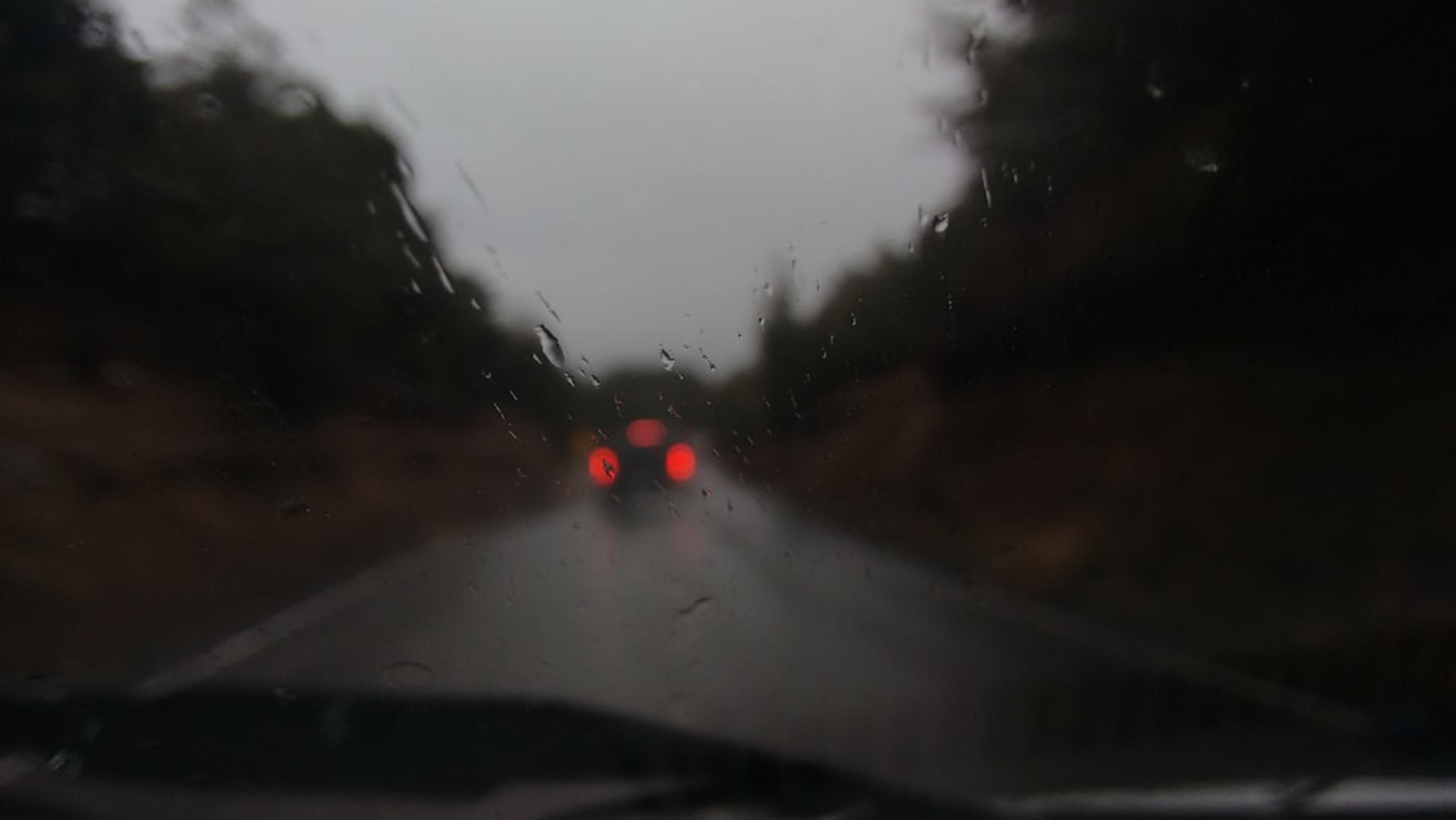
Adapting your driving style to rainy conditions is essential for maintaining control of your vehicle. Start by reducing your speed to accommodate the reduced traction and increased stopping distances. The New Jersey DMV recommends adjusting your speed to the weather conditions, even if it means driving below the posted speed limit. Increase your following distance to at least four seconds behind the vehicle in front of you, allowing extra time to react to sudden stops or changes in traffic. Avoid sudden movements, such as abrupt steering or braking, as these can cause your vehicle to skid. Smooth, gradual movements help maintain traction and control. Practicing these techniques with driverpass.ai can help reinforce these skills, ensuring you are well-prepared for your driving exam and real-world scenarios.
Another key aspect of driving in the rain is to stay focused and minimize distractions. Keep both hands on the wheel and avoid using your phone or engaging in other activities that take your attention away from the road. Be especially vigilant at intersections and pedestrian crossings, as rain can obscure visibility and make it harder to spot other road users. Use your vehicle's defogger to keep windows clear and ensure maximum visibility. By staying attentive and making conscious adjustments to your driving habits, you can navigate rainy conditions safely and confidently.

Legal Considerations and Requirements in New Jersey
In New Jersey, there are specific legal requirements and considerations when driving in heavy rain. According to state law, drivers must use their headlights when windshield wipers are in use due to rain or other precipitation. This requirement helps improve visibility for both the driver and other road users. Failing to comply with this law can result in a traffic citation and fine. Additionally, be aware that New Jersey's 'Move Over' law requires drivers to change lanes or slow down when approaching stationary emergency vehicles, tow trucks, or highway maintenance vehicles displaying flashing lights, even in adverse weather conditions.
It's also important to understand New Jersey's insurance laws. If an accident occurs during heavy rain, your insurance policy will play a crucial role in covering damages. Familiarize yourself with your policy details, including coverage limits and deductibles. Furthermore, consider taking a defensive driving course, which may qualify you for insurance discounts and improve your skills in handling various driving conditions. Driverpass.ai offers resources to help you understand these legal aspects and prepare for the written DMV test, ensuring you are knowledgeable about state-specific regulations.
Conclusion: Stay Prepared and Informed
Driving in heavy rain requires careful preparation and awareness of both safety practices and legal requirements. By maintaining your vehicle, adapting your driving style, and understanding the risks, you can navigate New Jersey's roads more safely during adverse weather conditions. Utilize tools like driverpass.ai to reinforce your knowledge and practice essential skills. Remember, staying informed and prepared is key to ensuring your safety and the safety of others on the road. Happy driving!

